
Rare Remington Keene Carbine .45-70 Government 20 Inch Bolt Action Rifle, Antique
Archival record: Specifications and condition reflect the firearm as listed at the time of auction.
Final Auction Price: $2,525.00
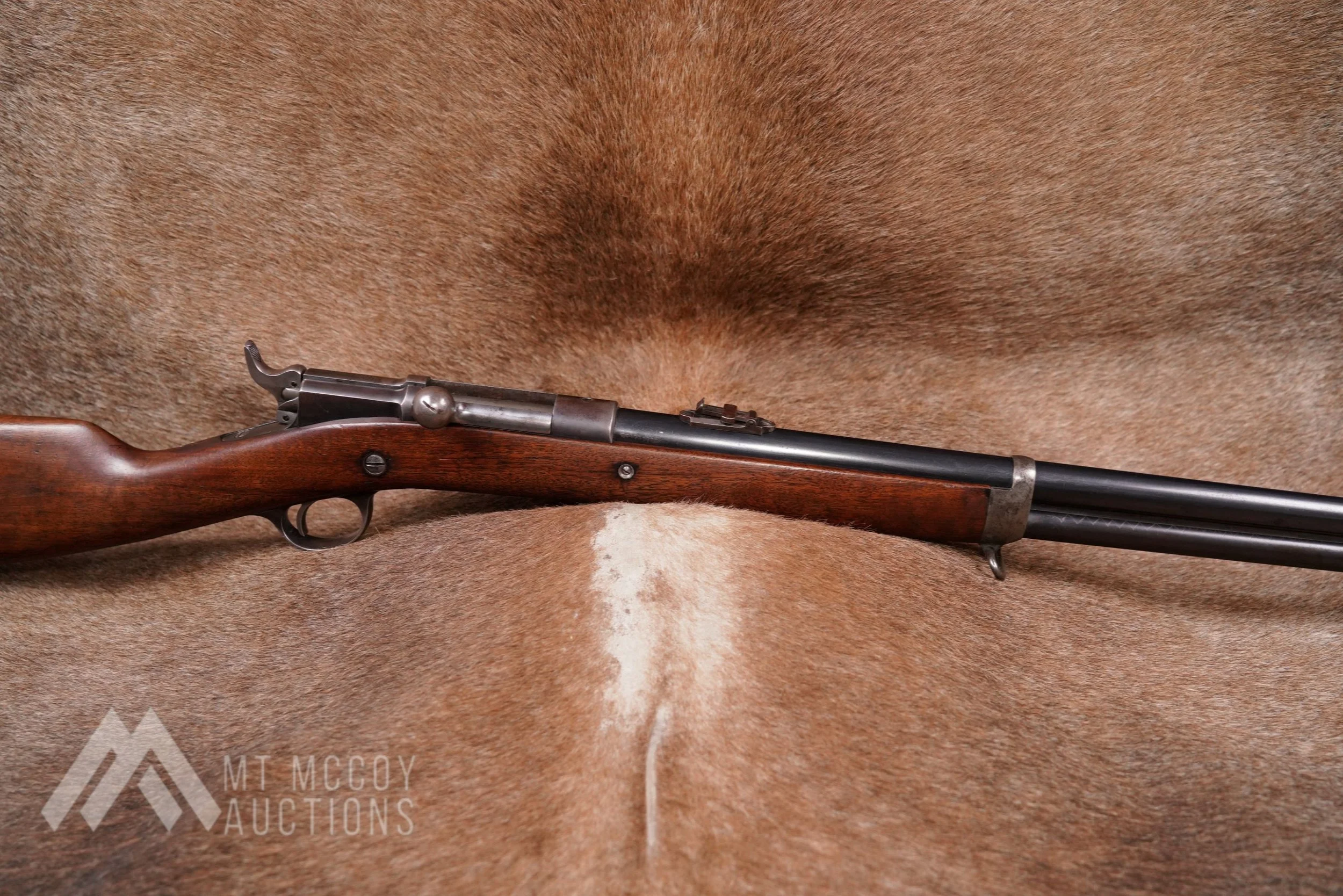
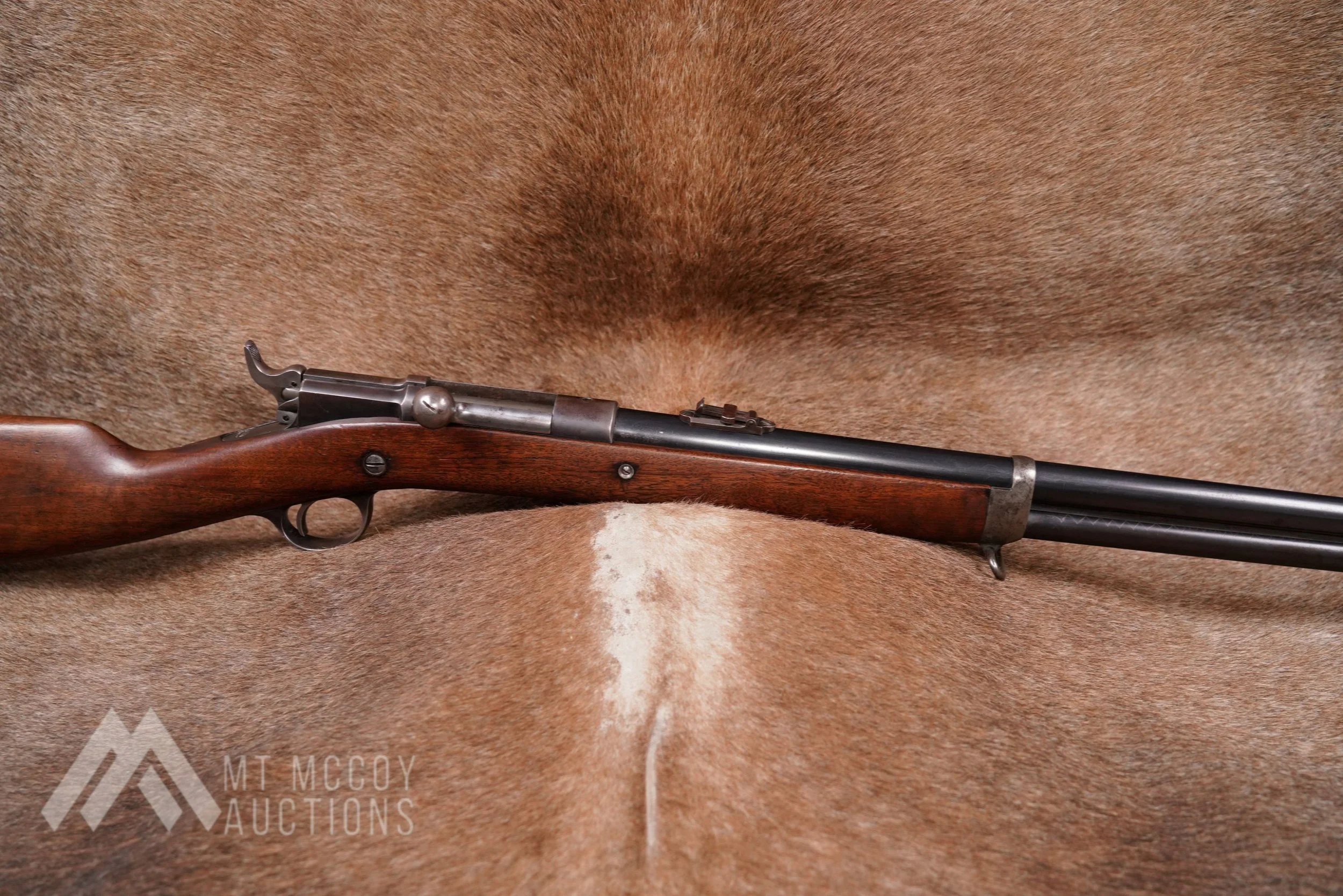
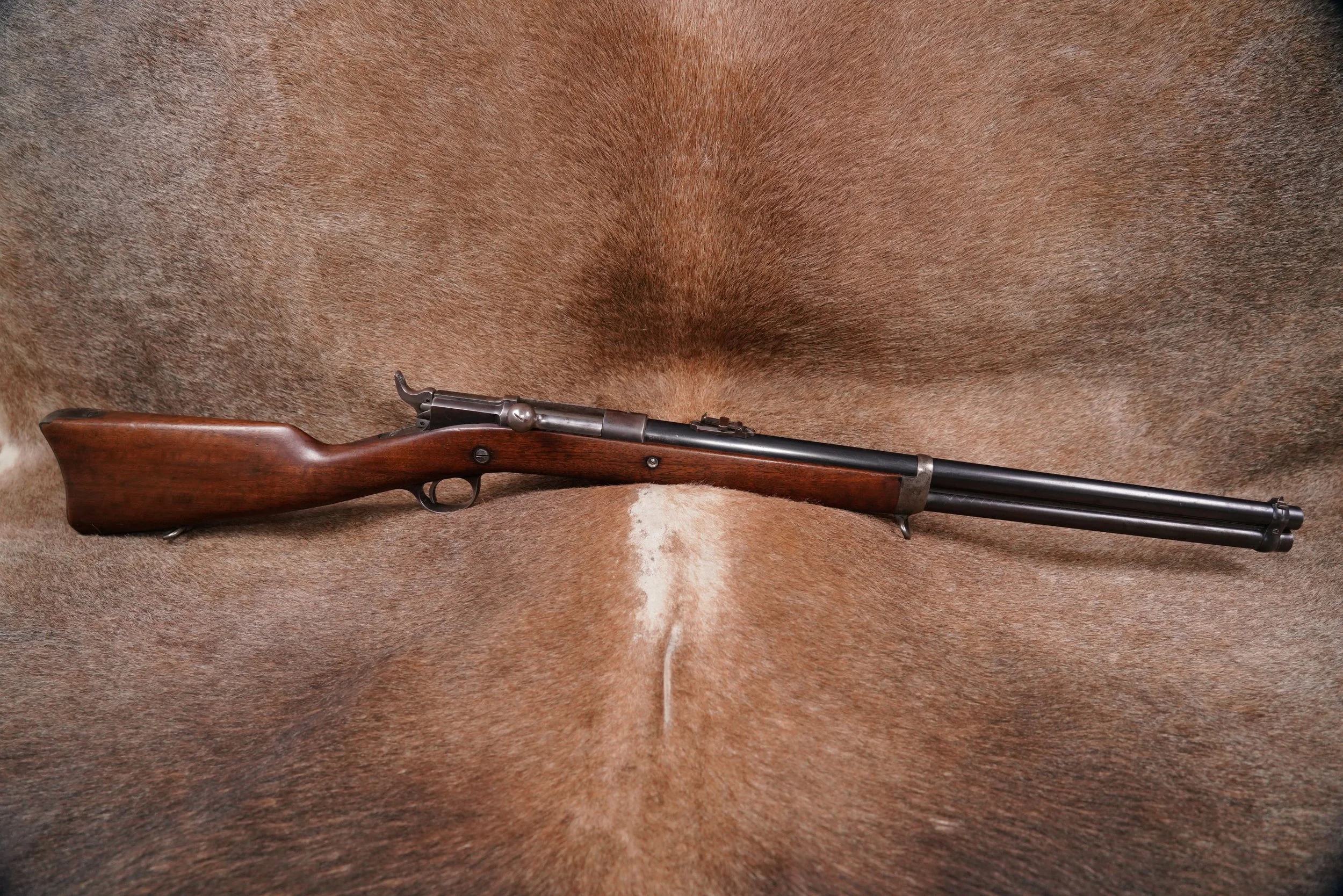
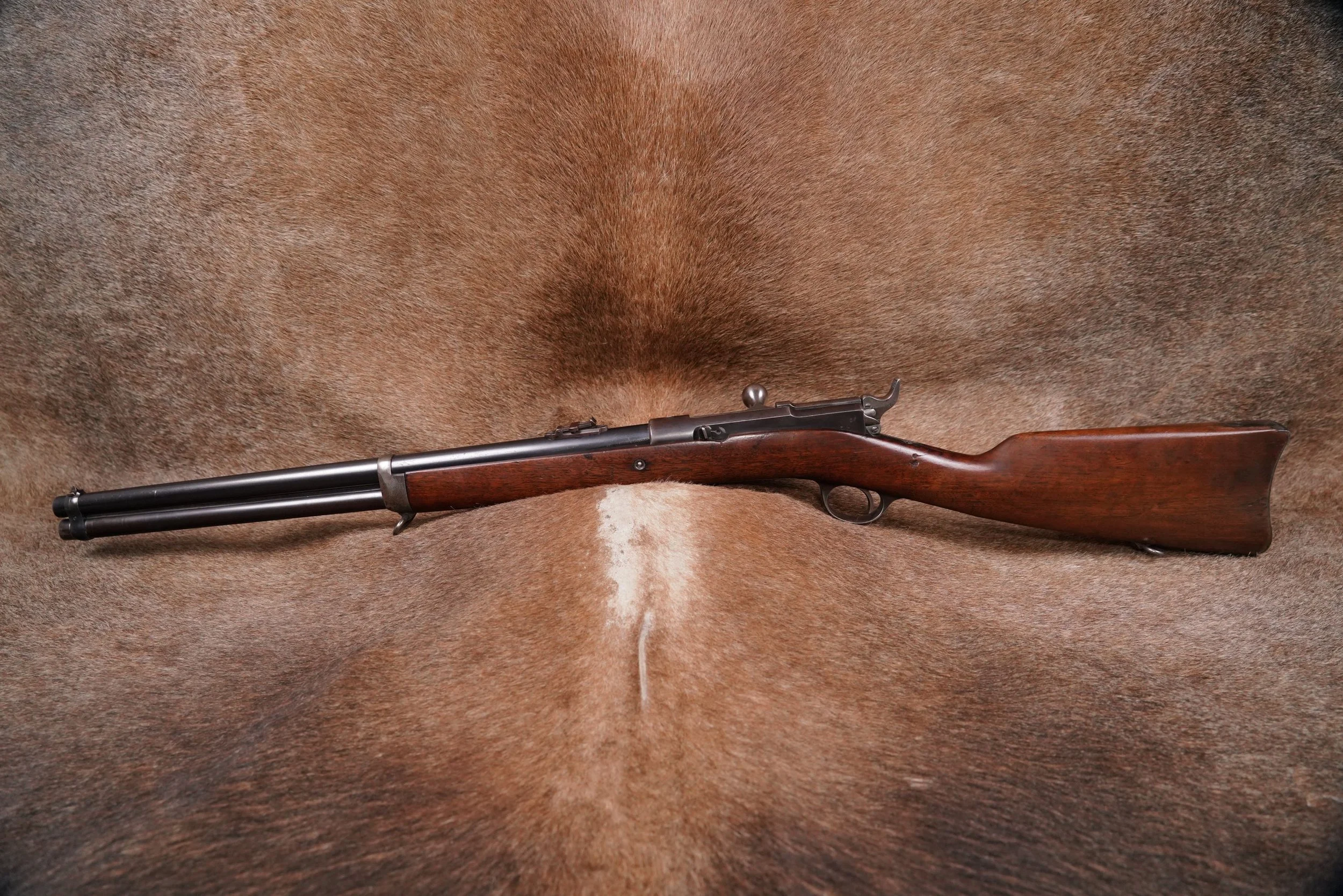
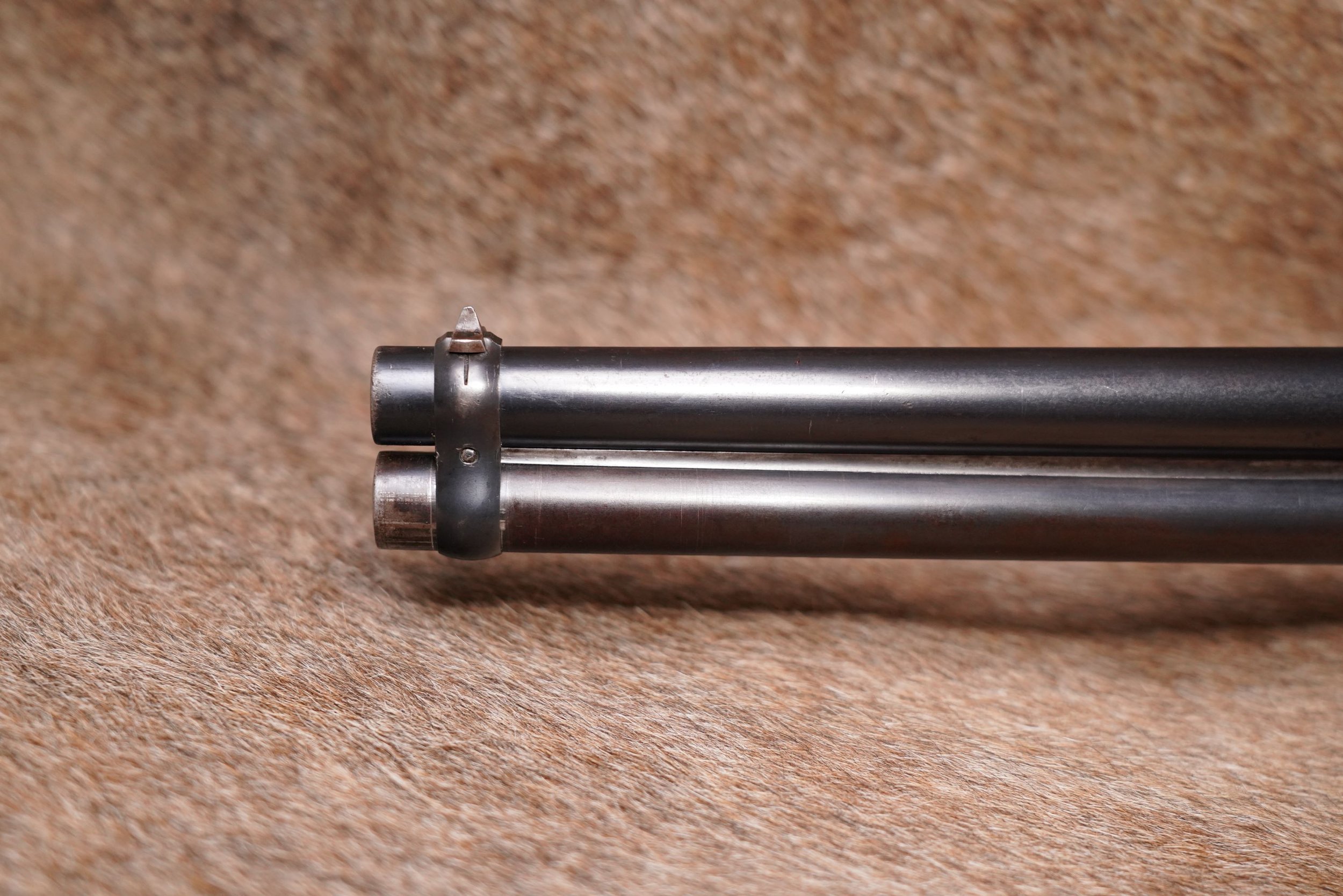
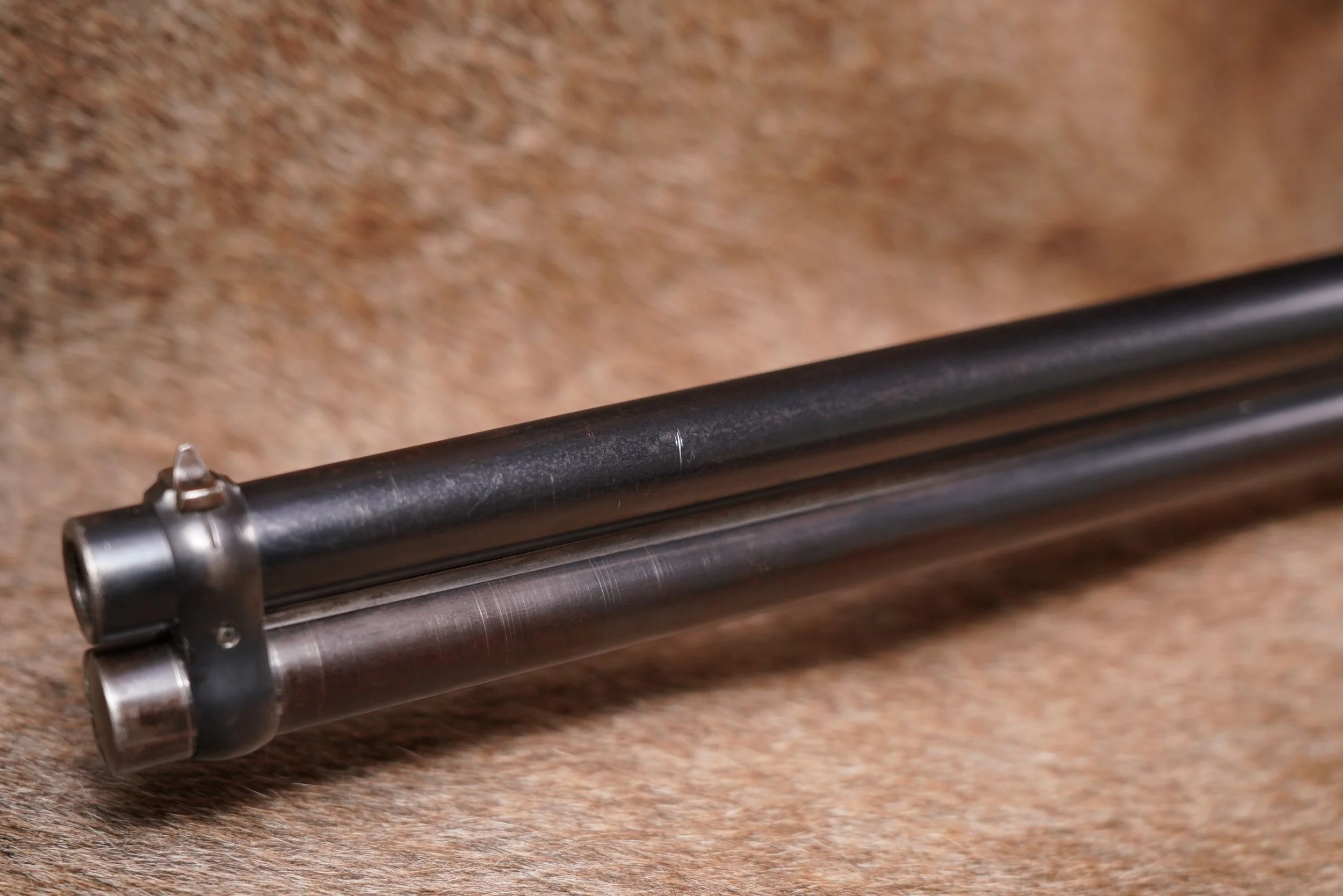
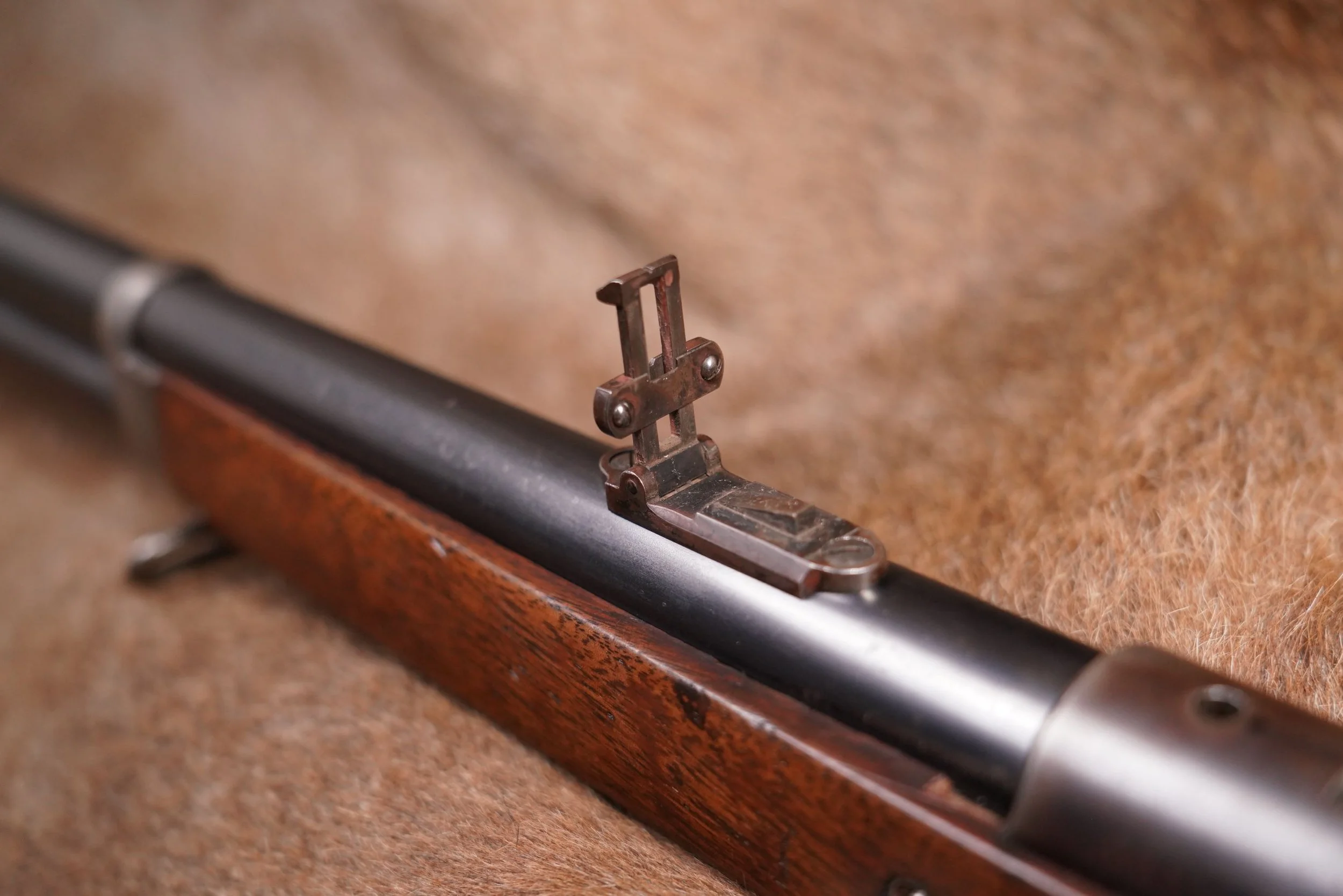
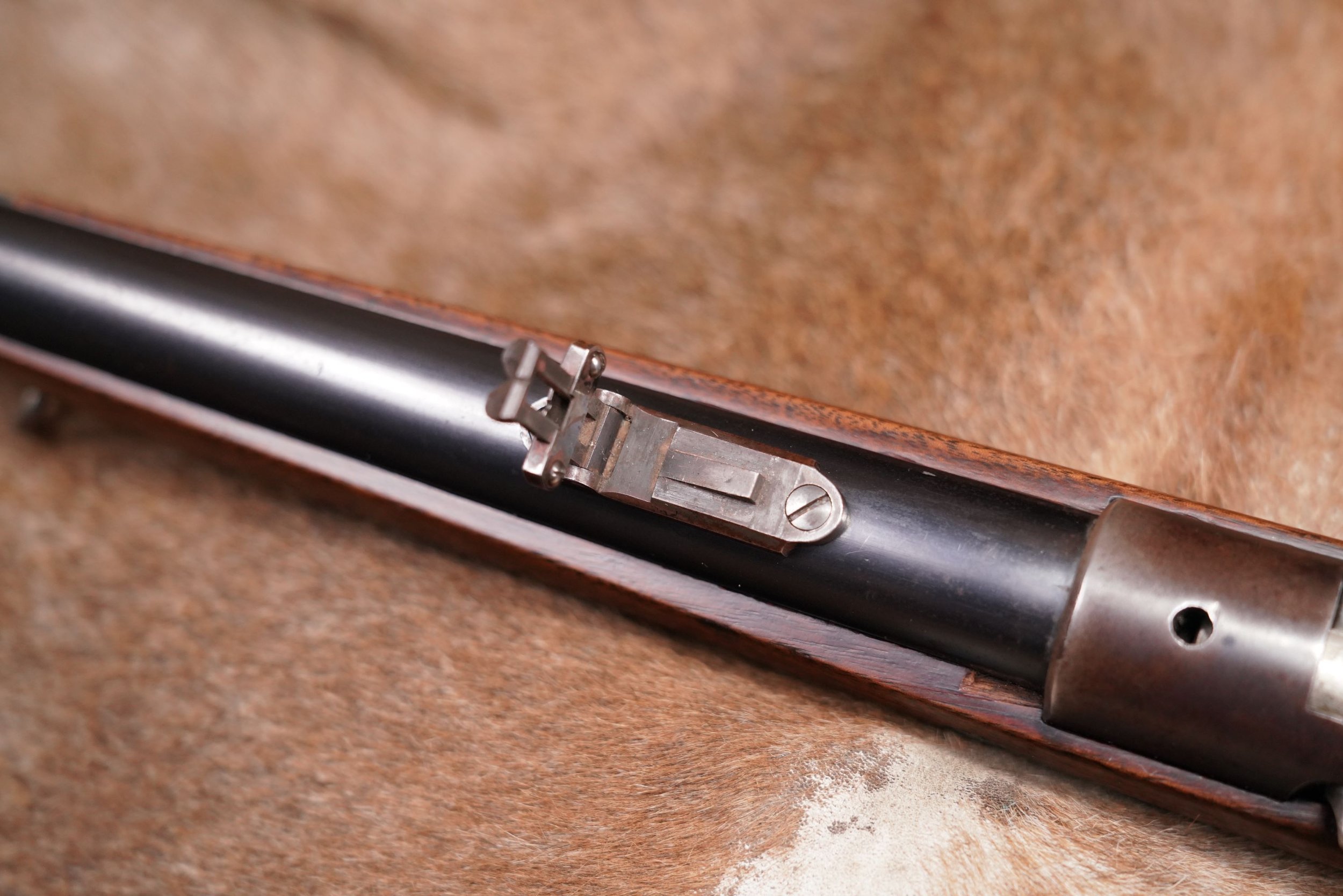
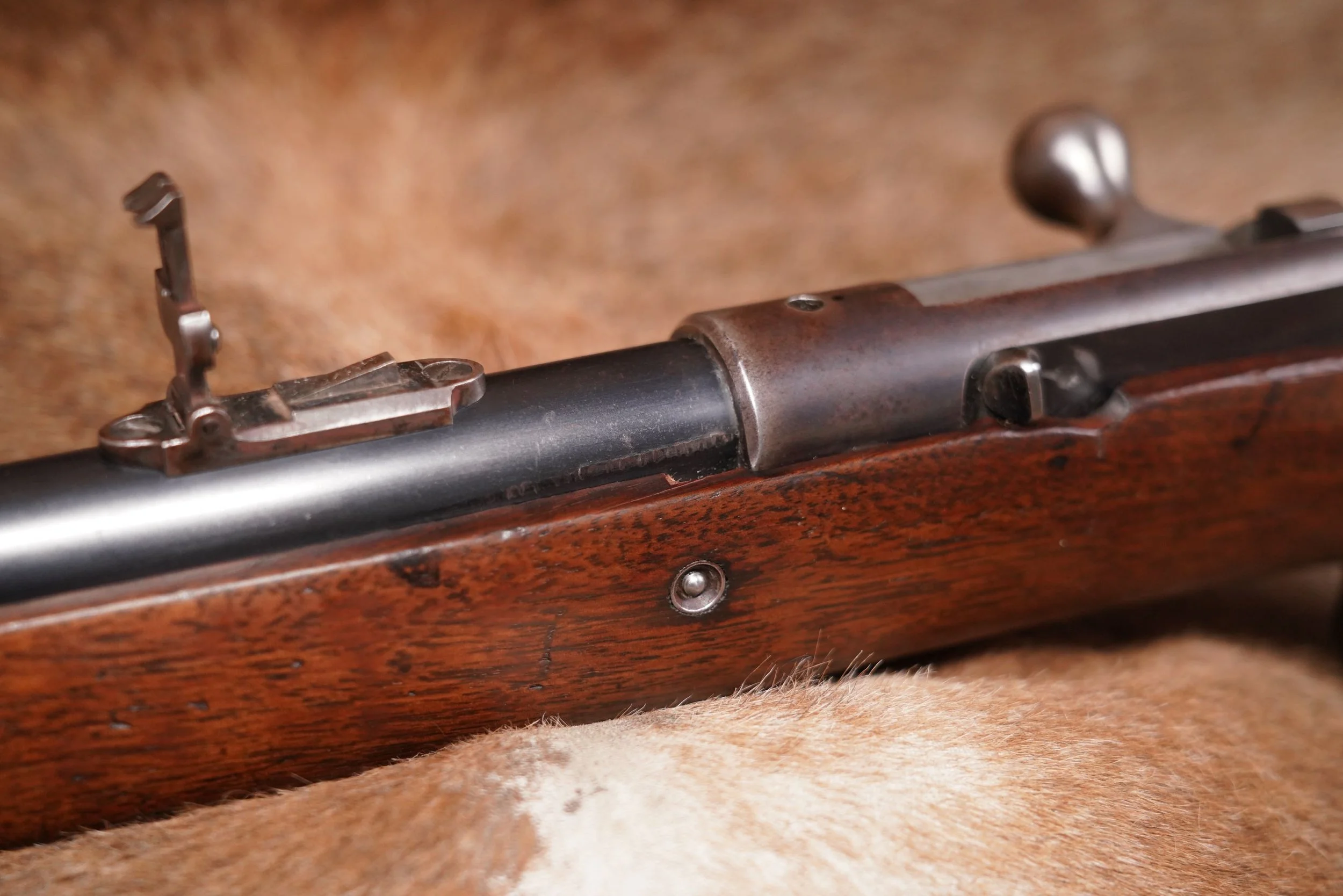
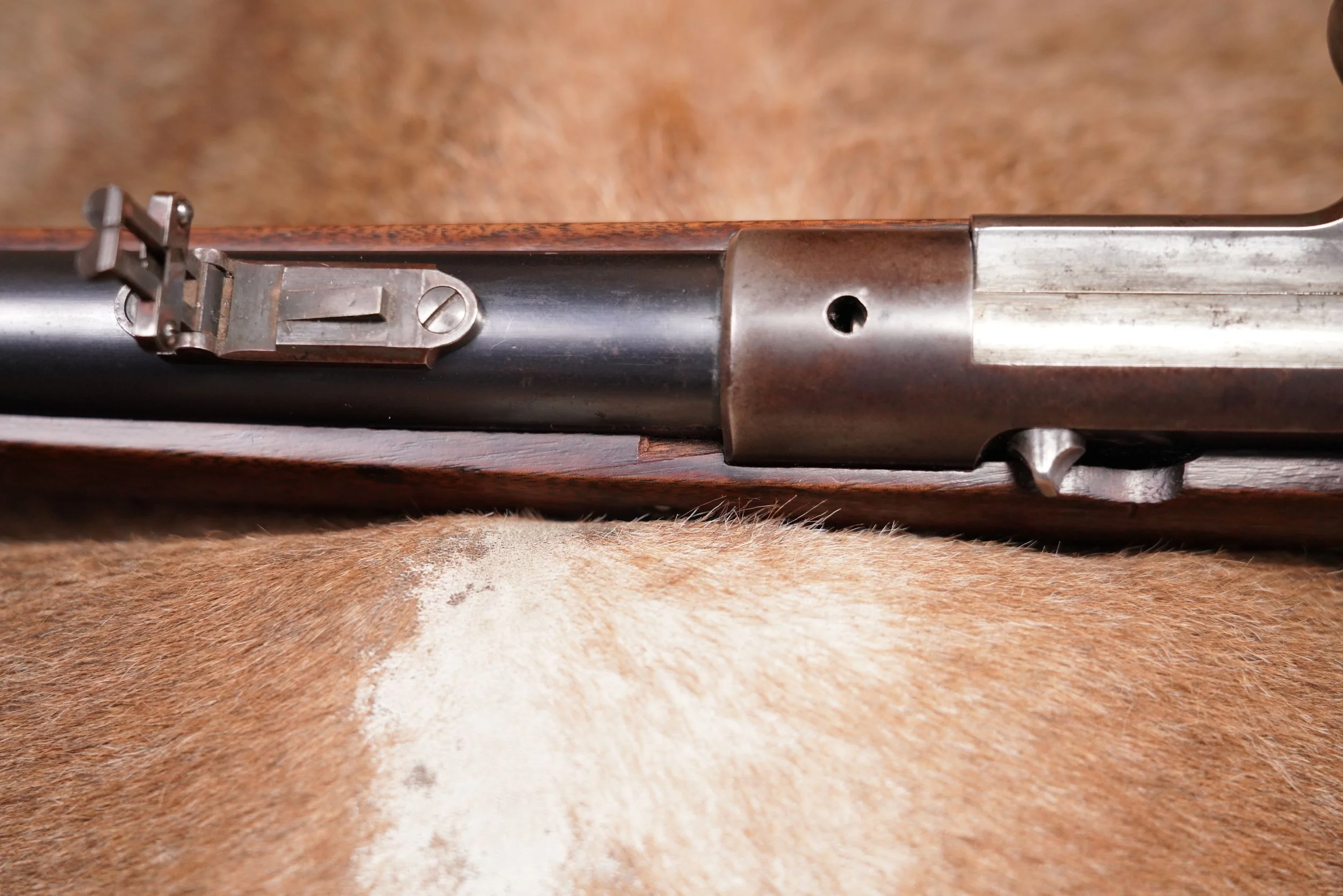
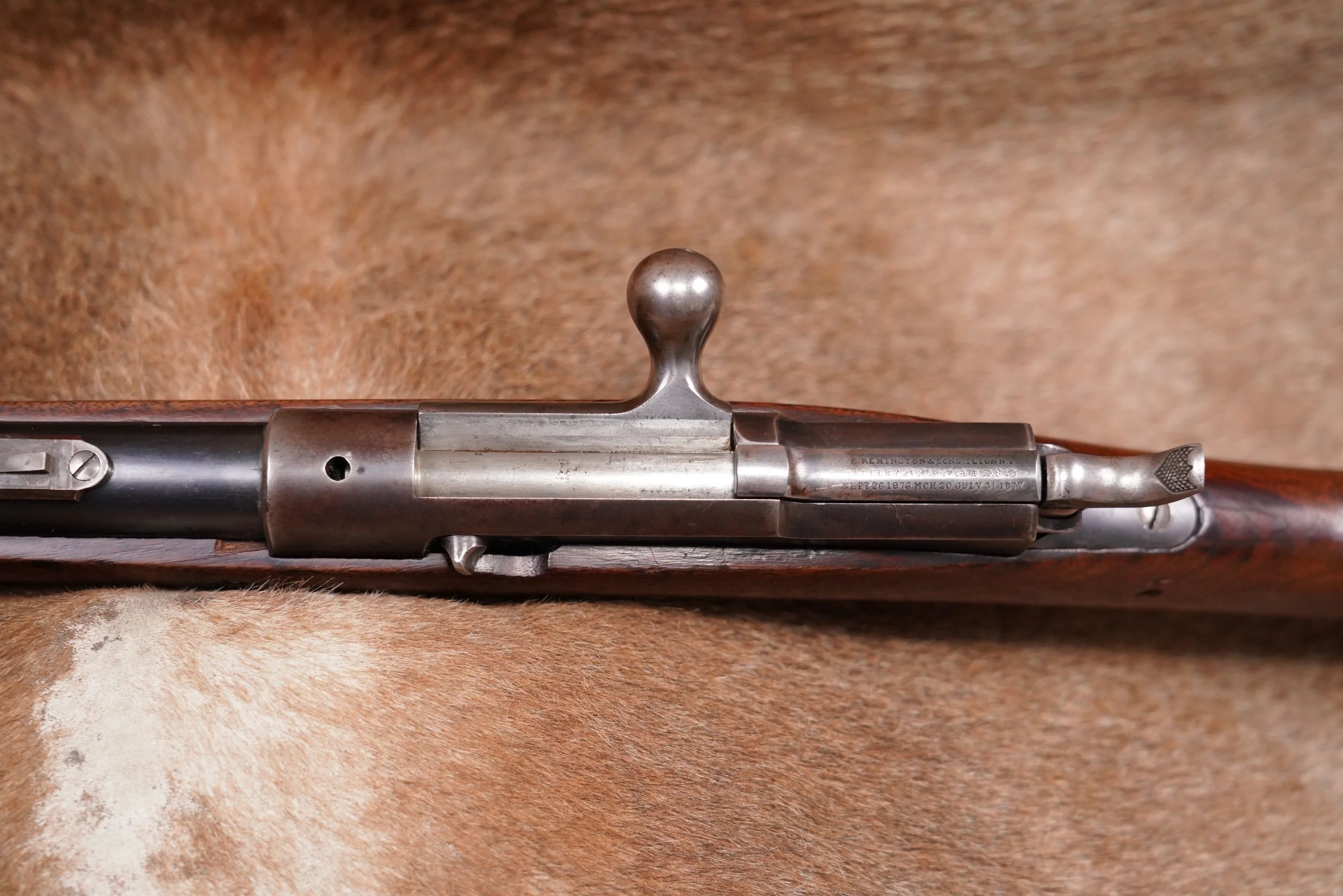
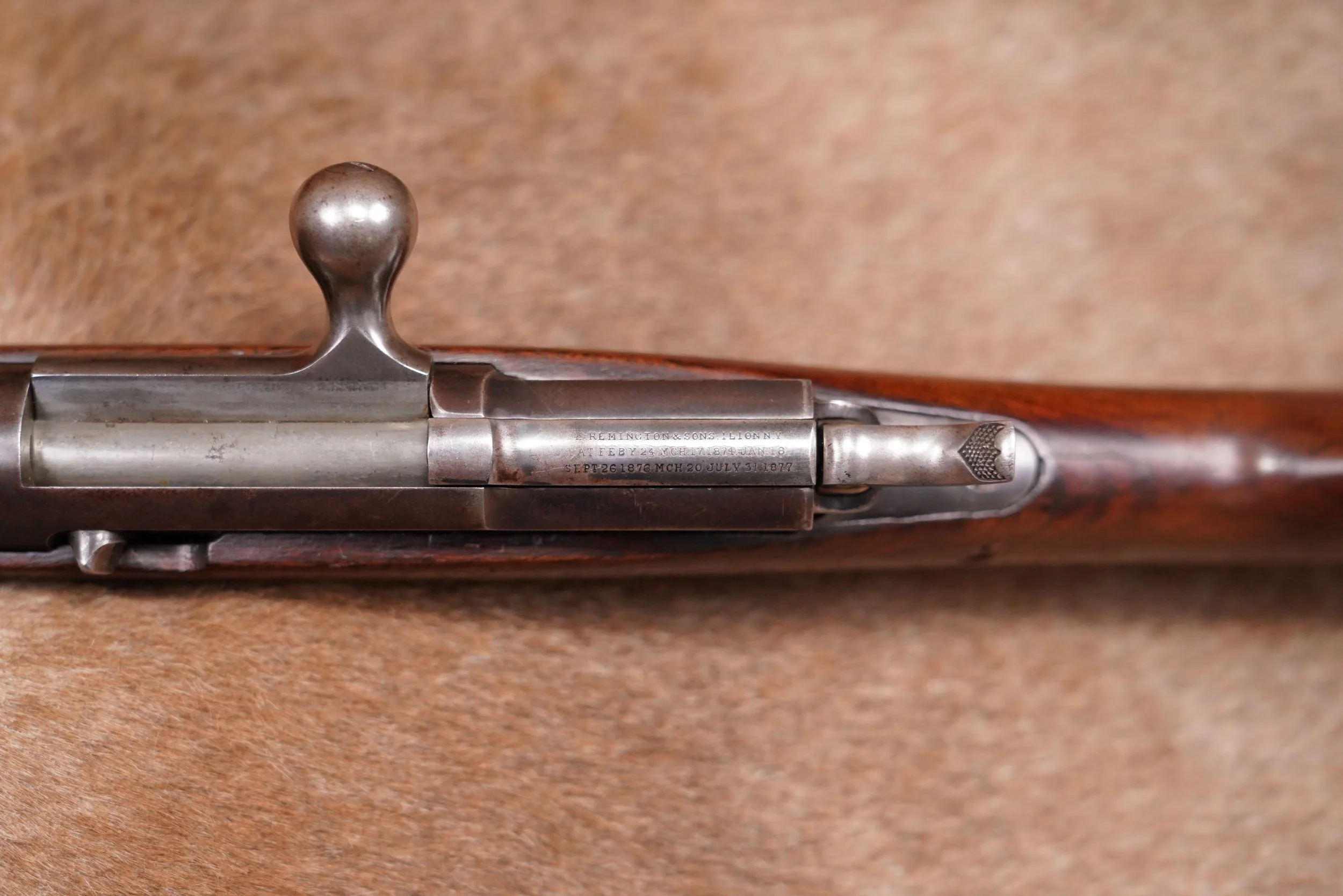
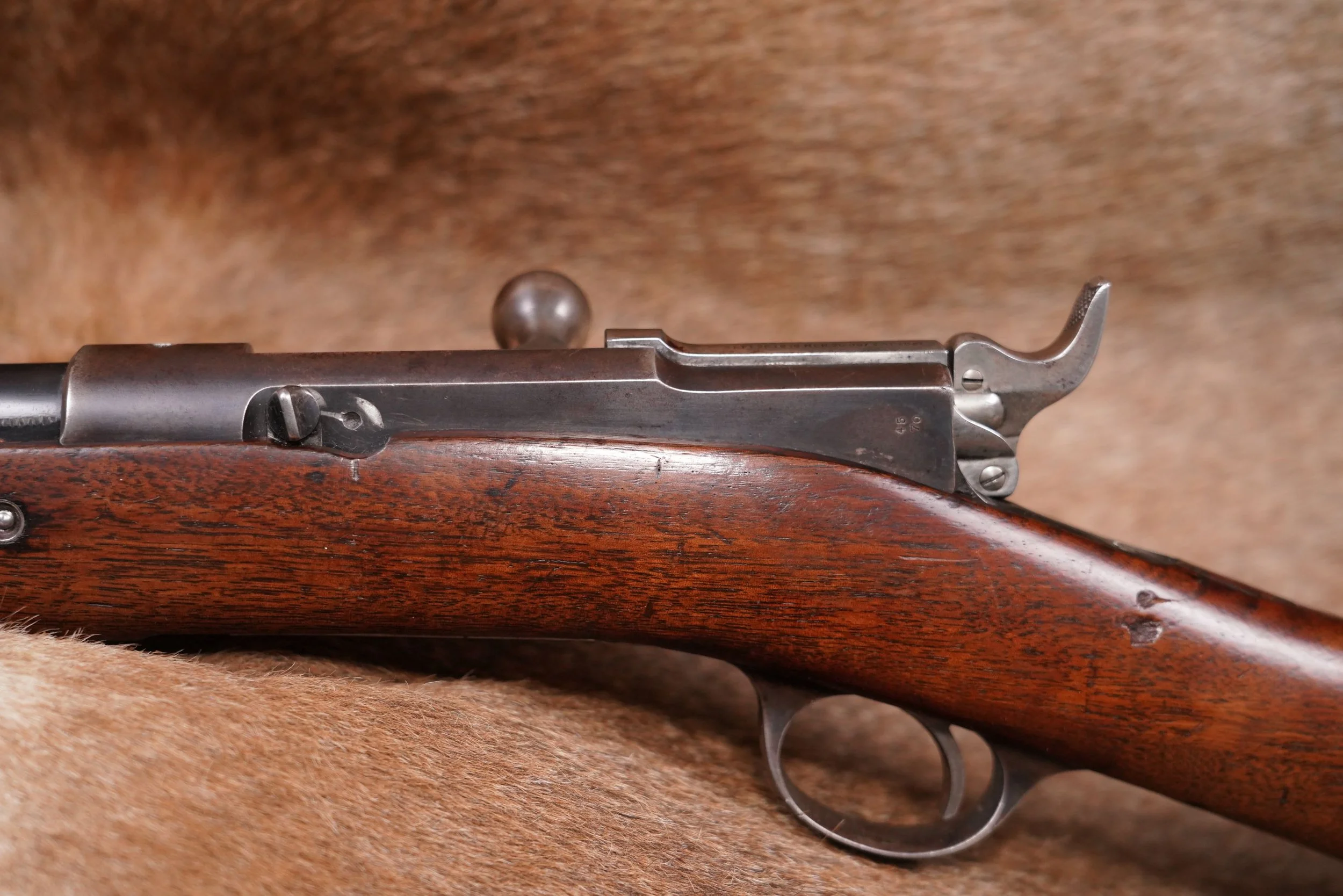
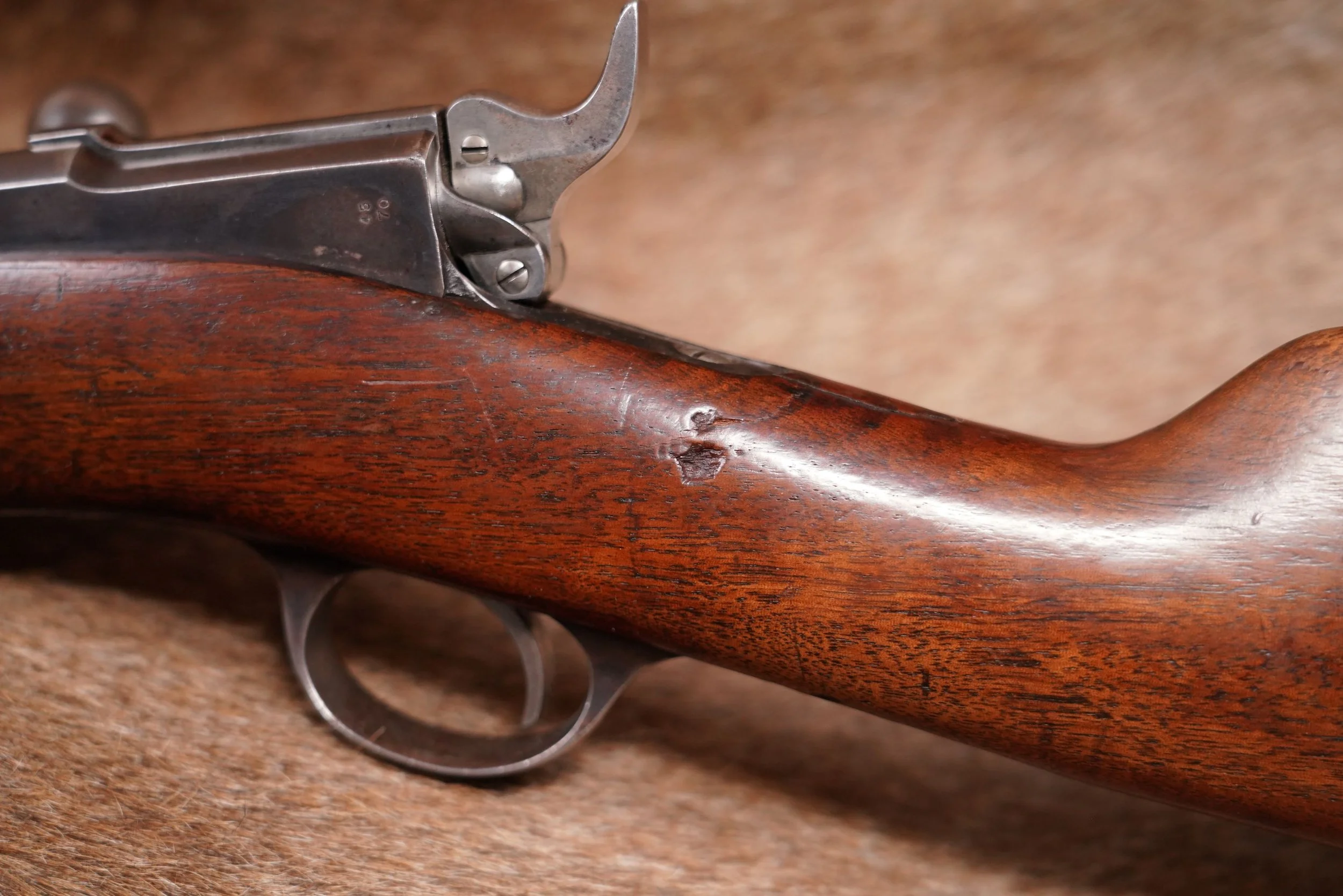
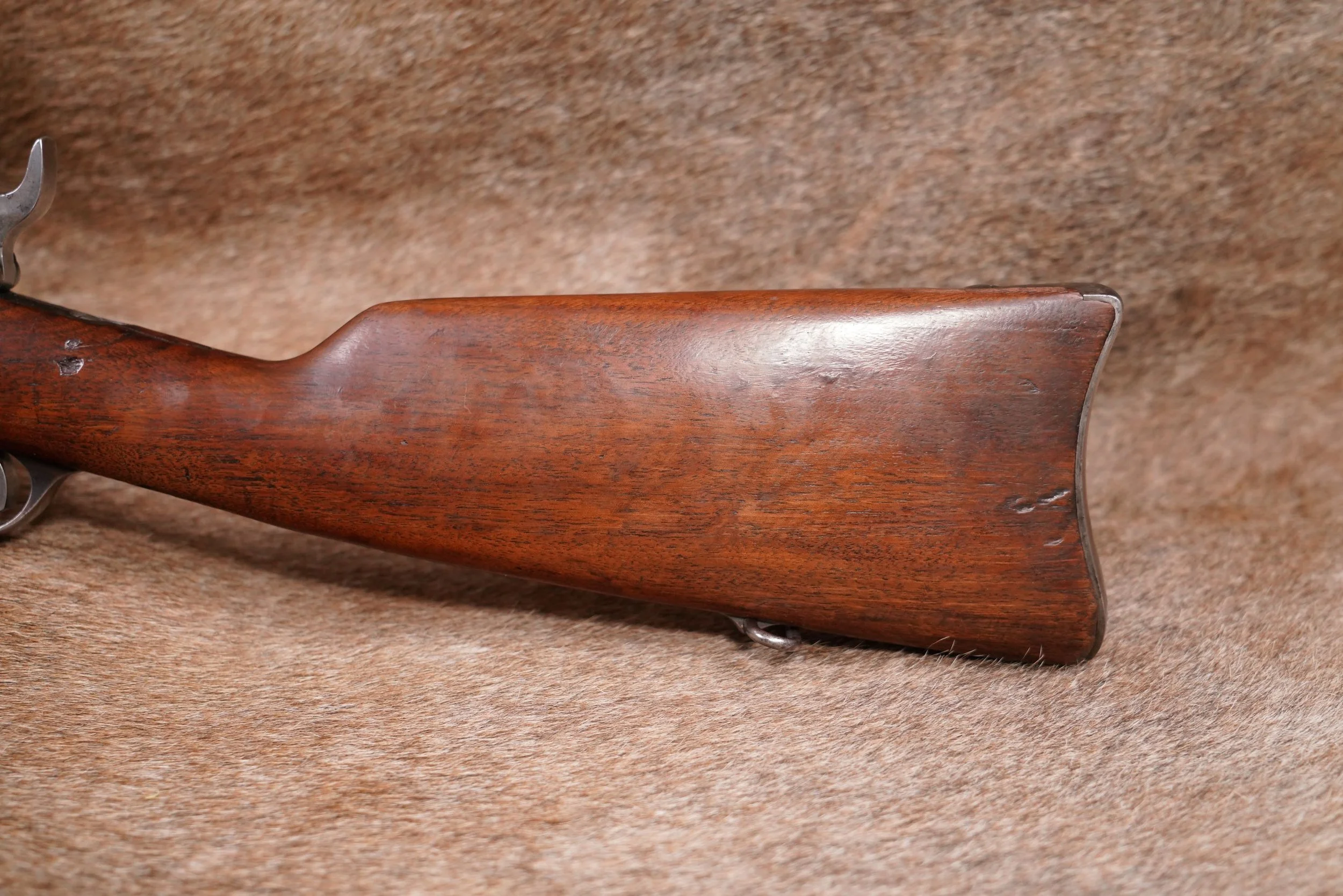
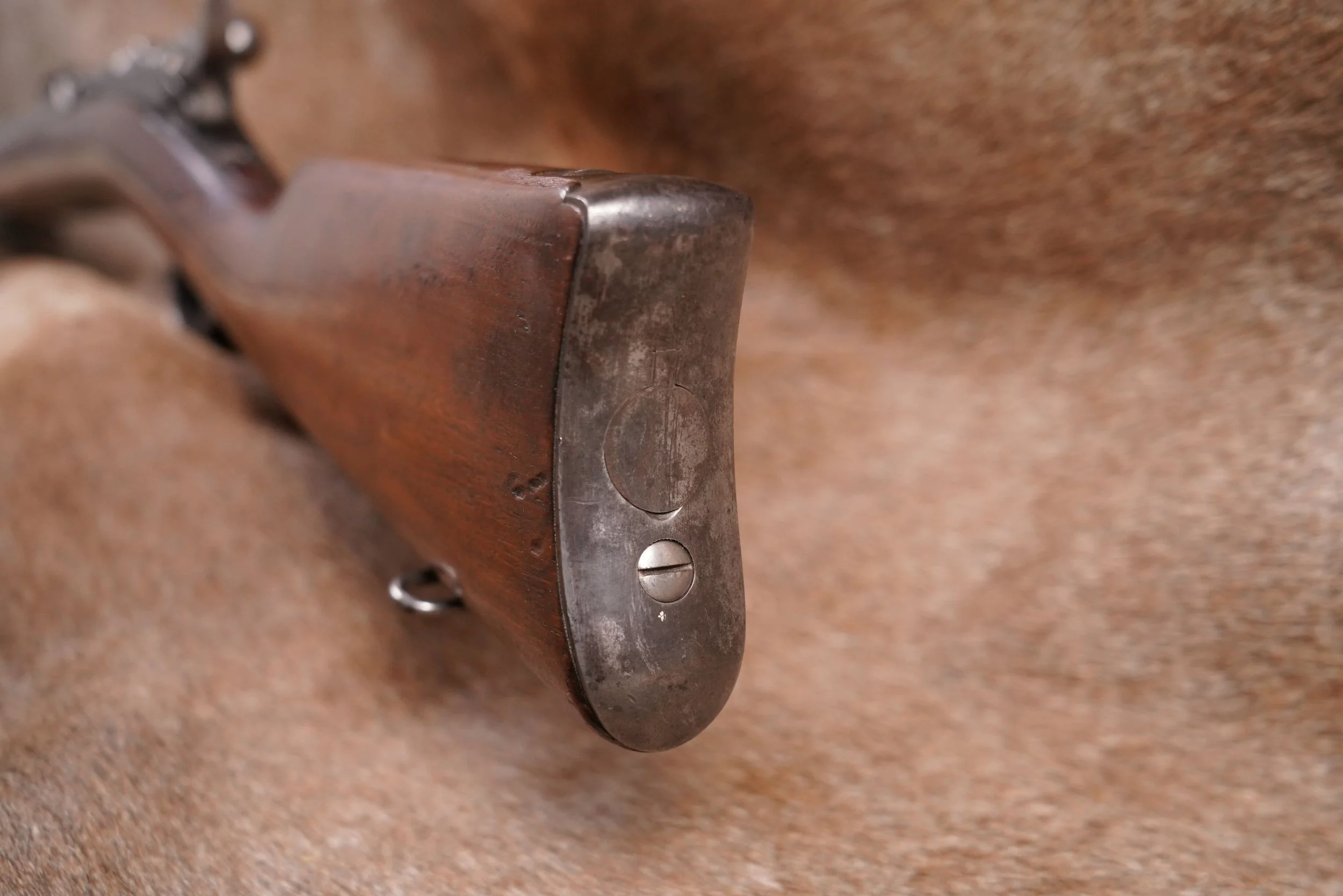
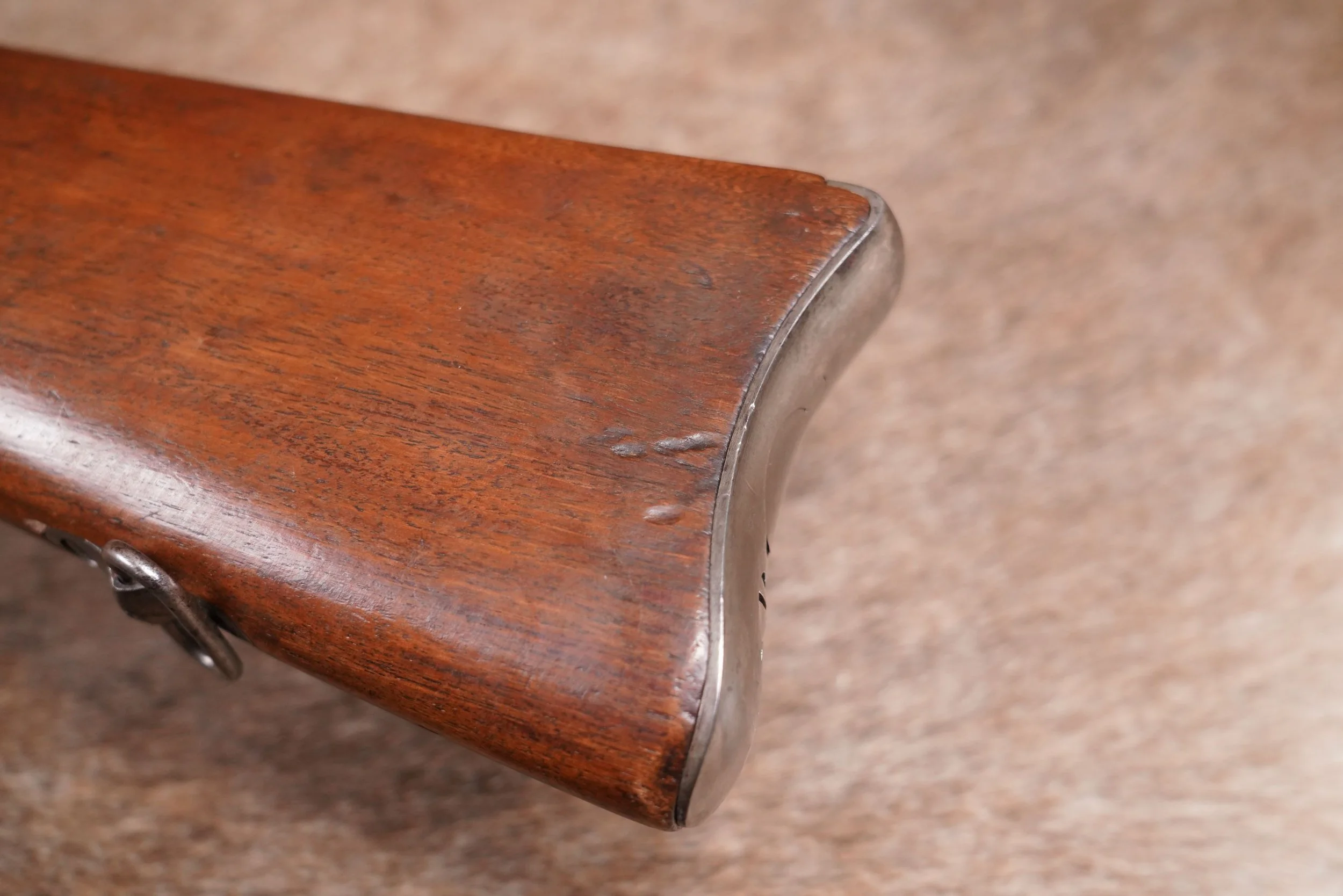
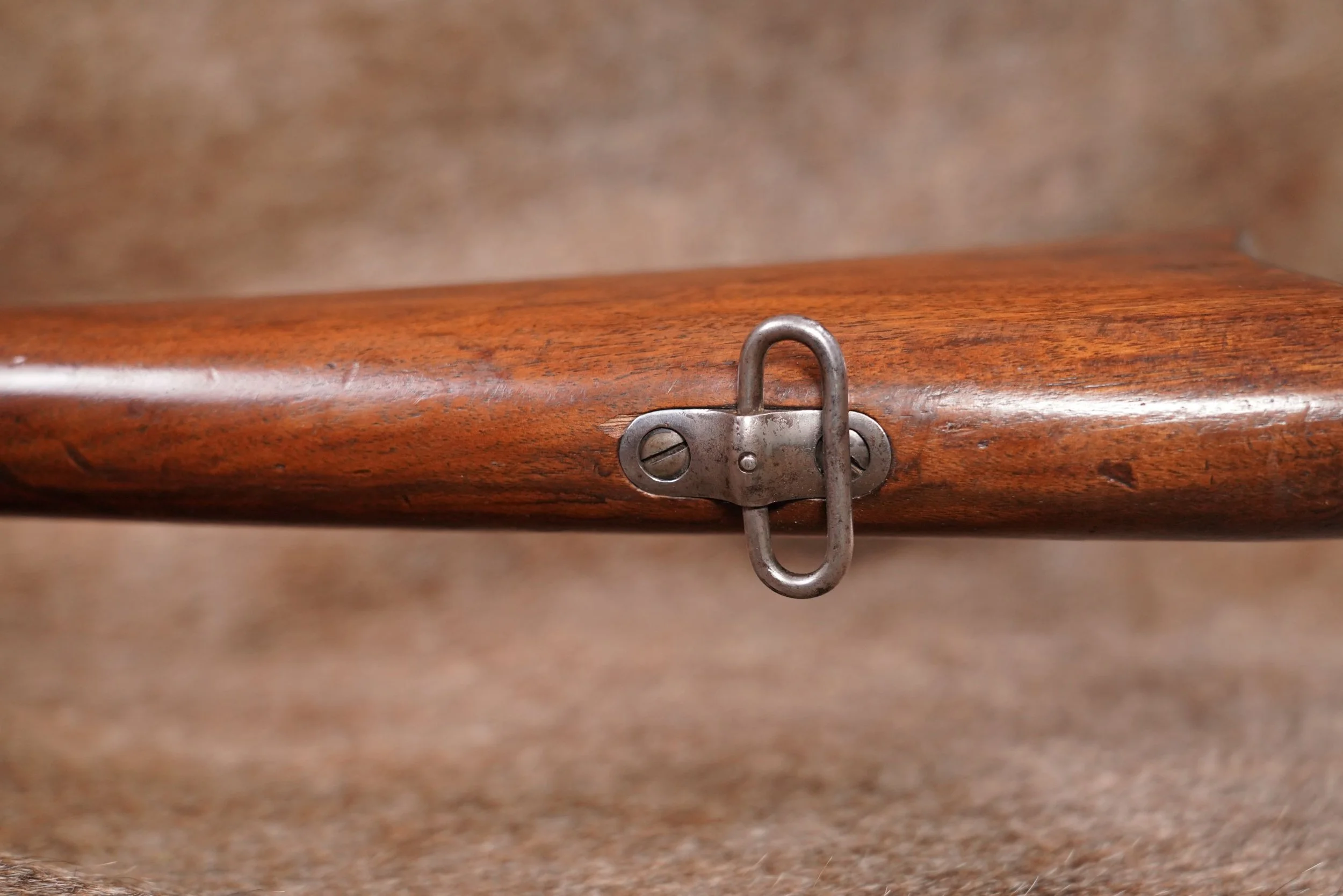
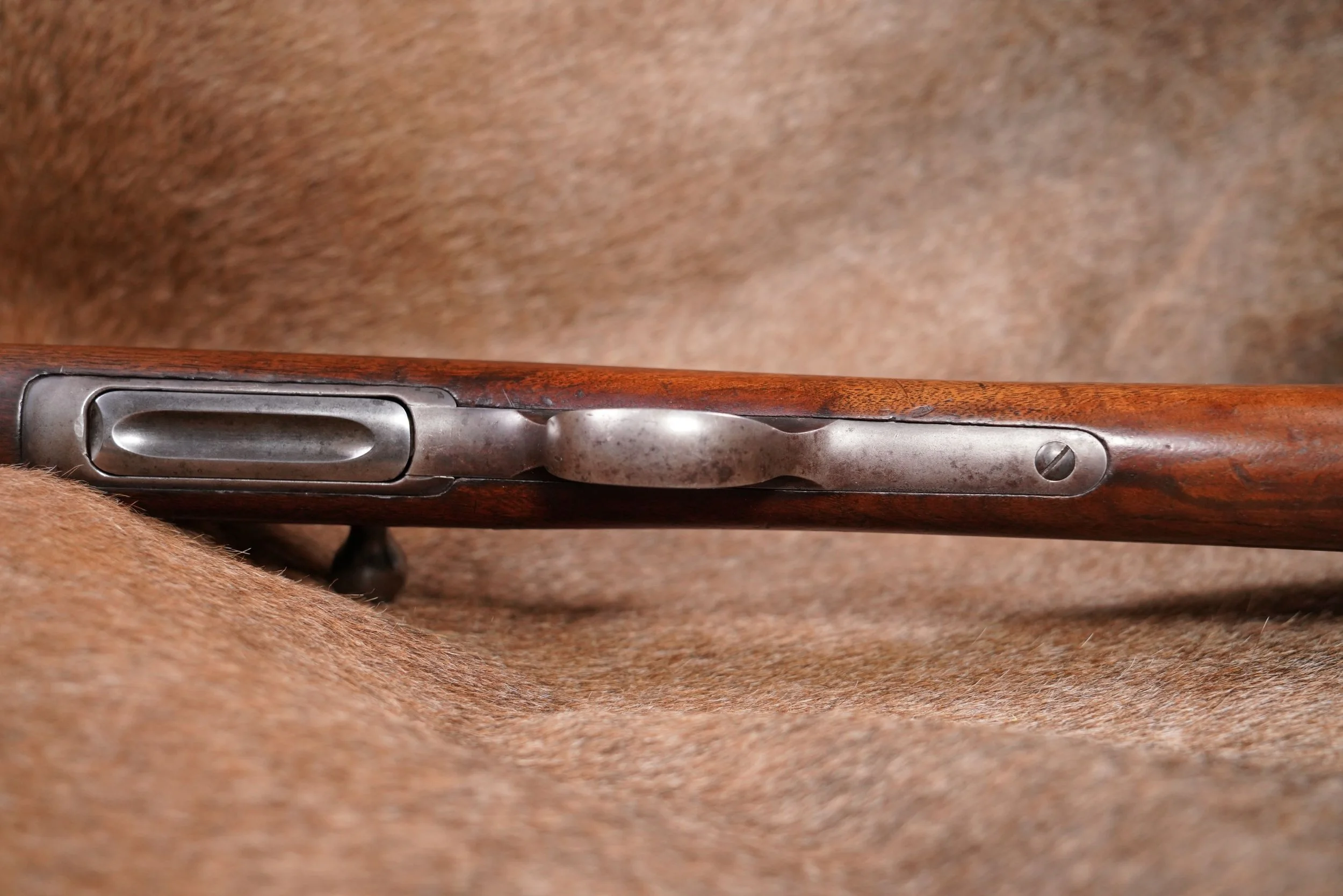
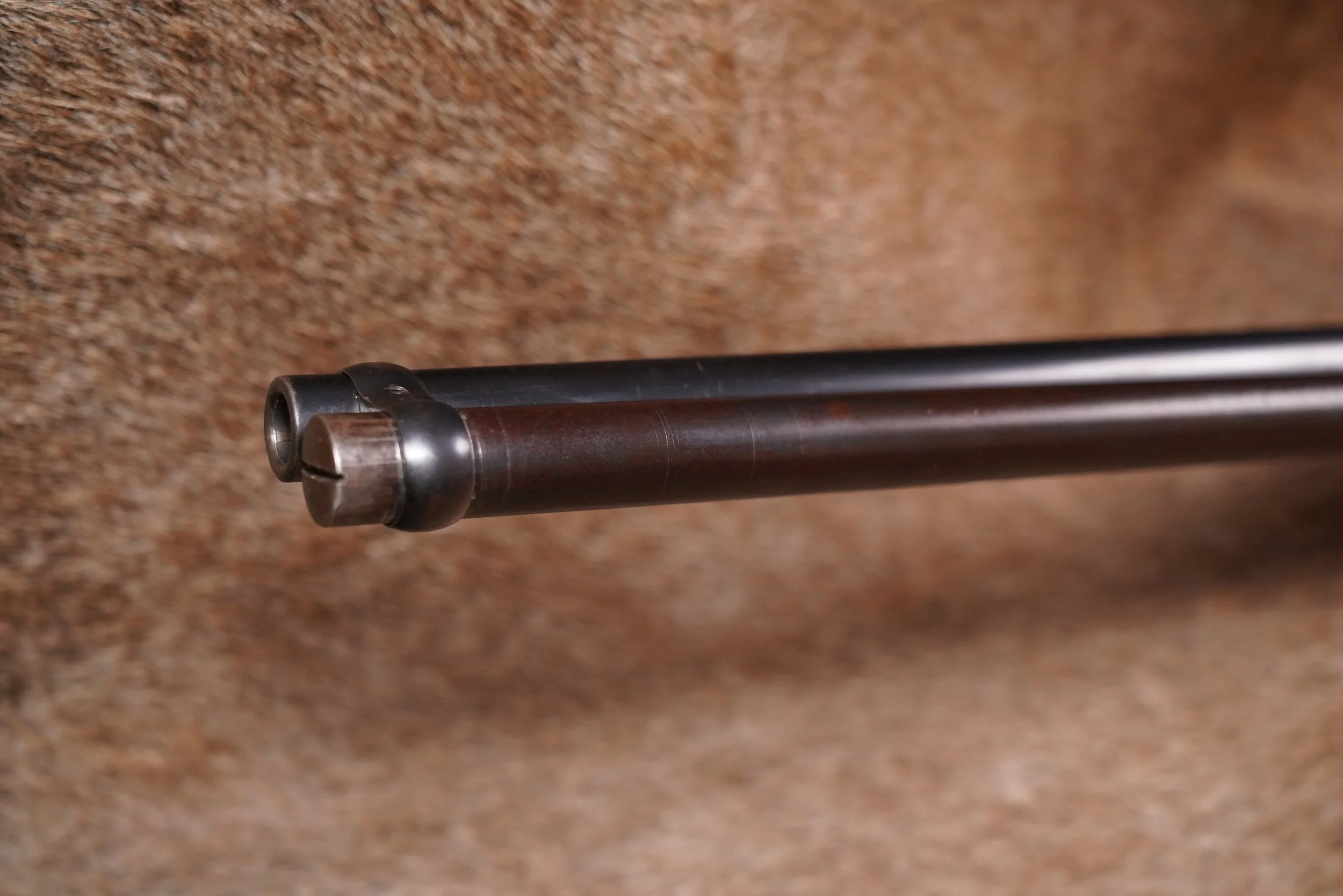
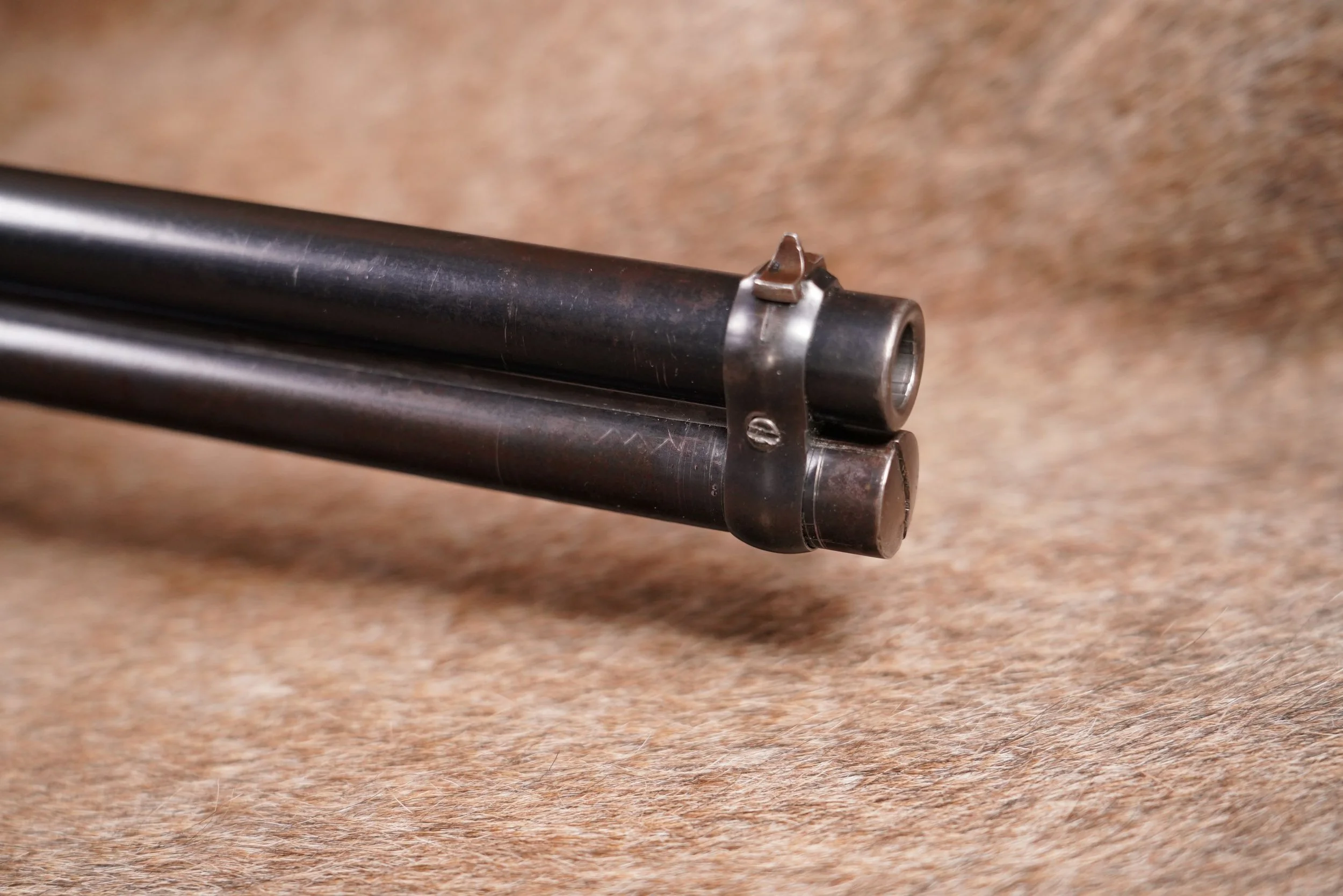
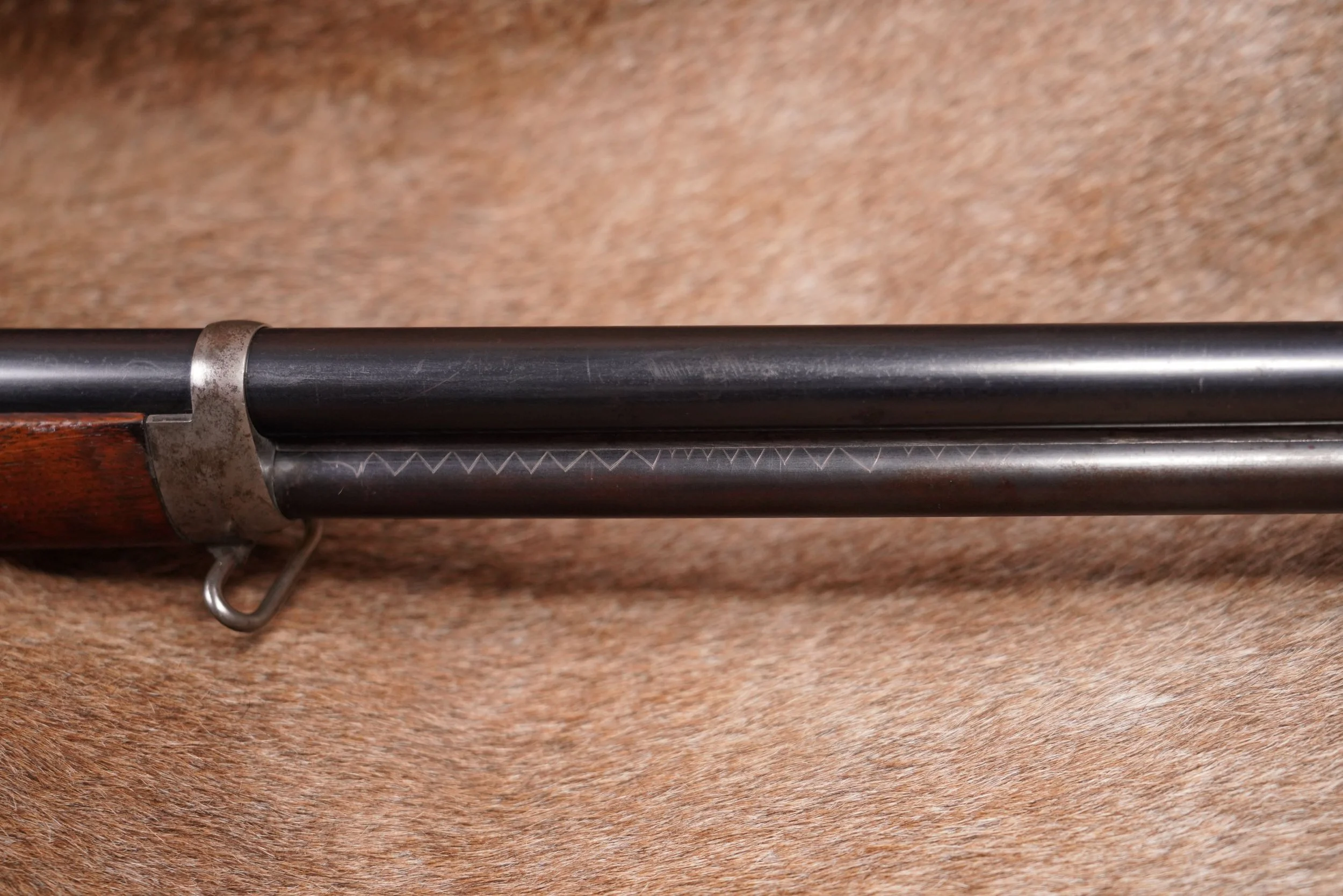
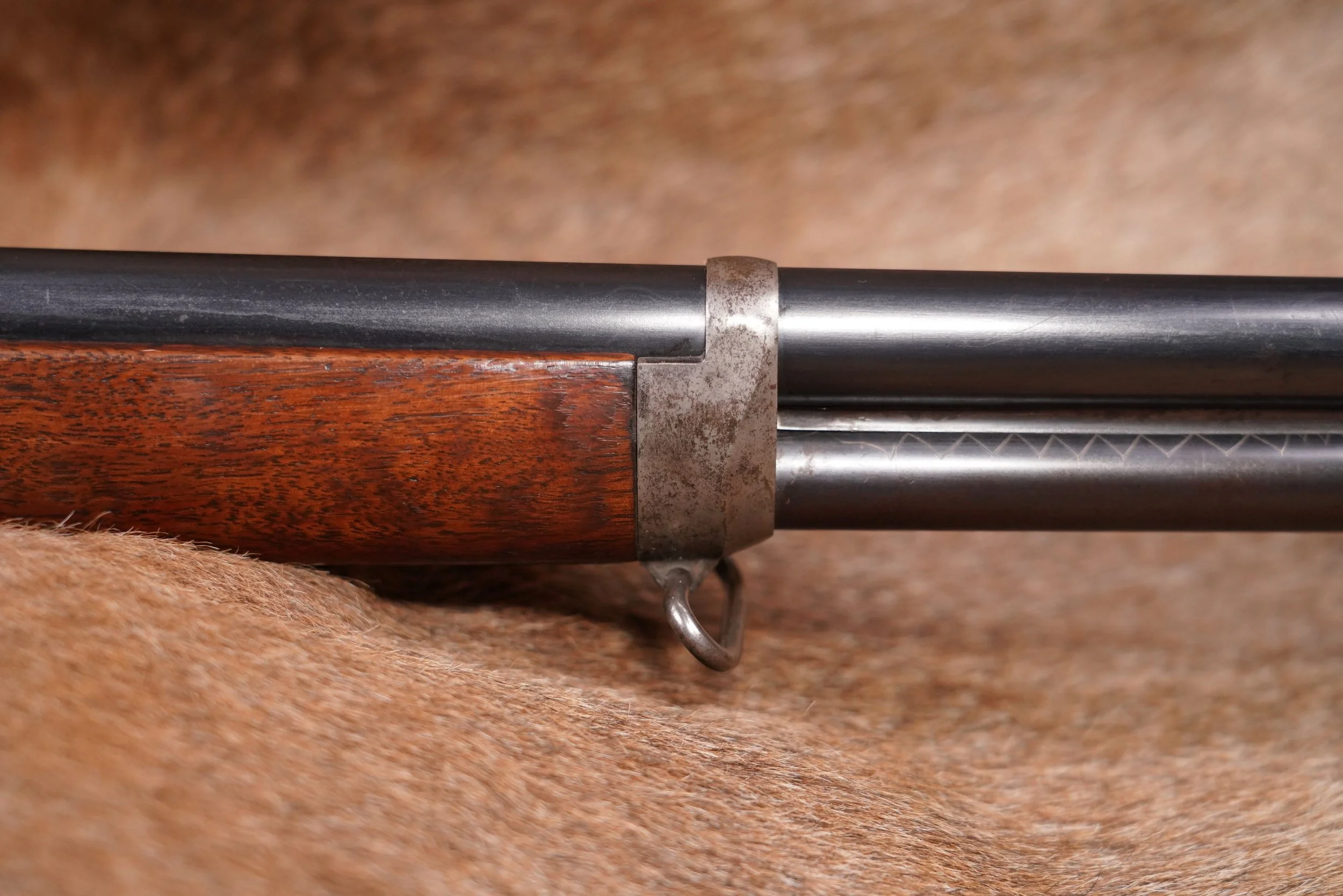
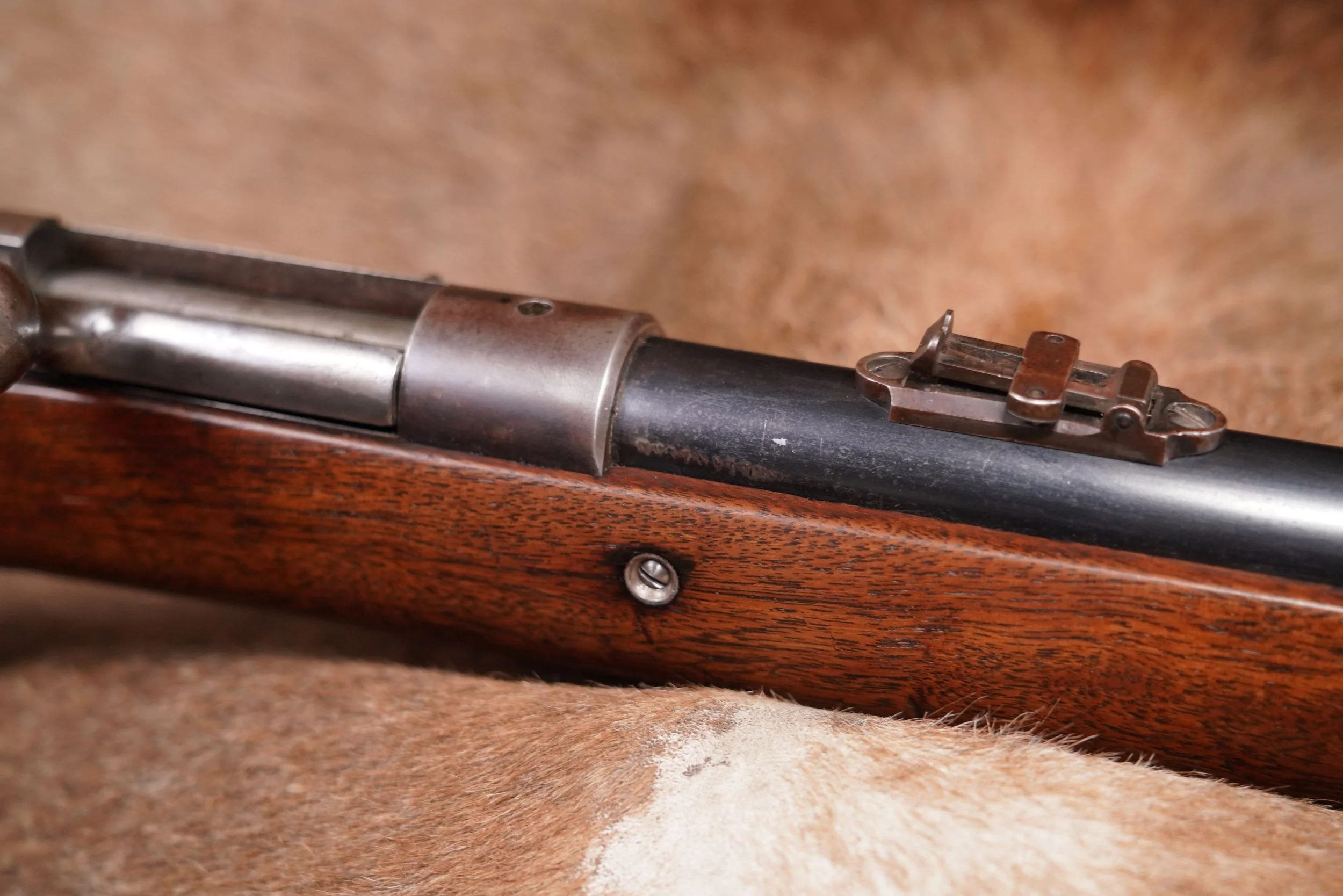
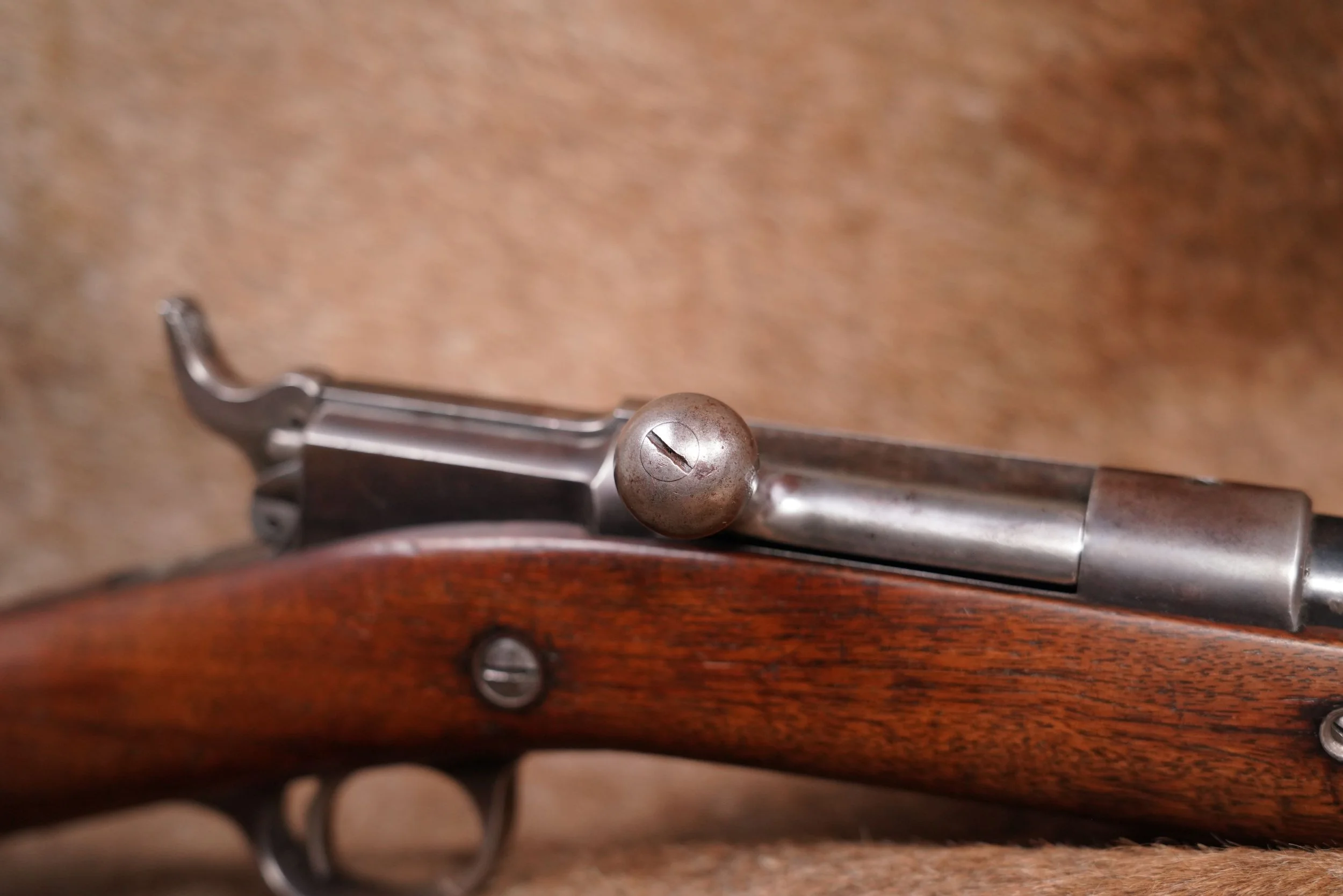
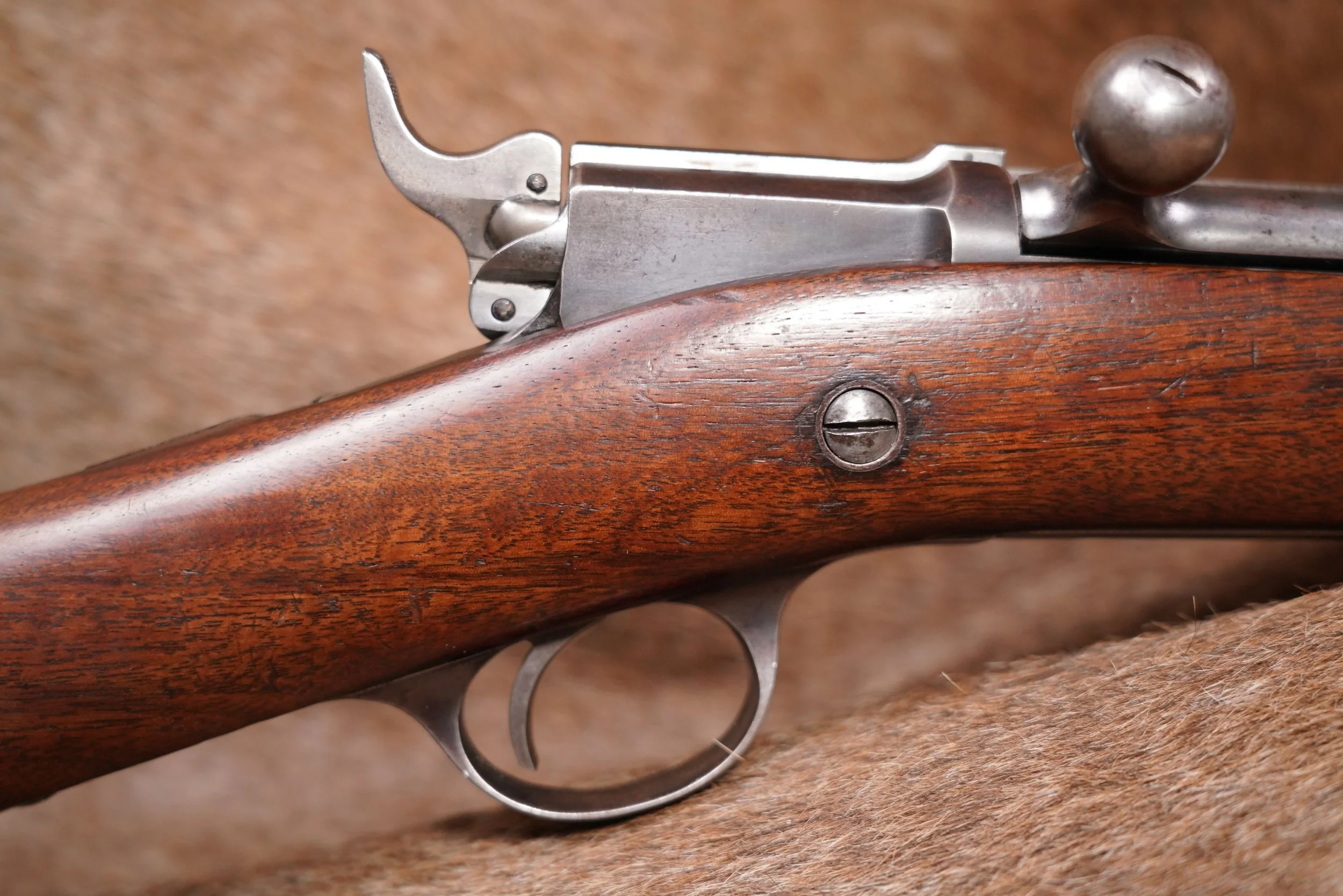
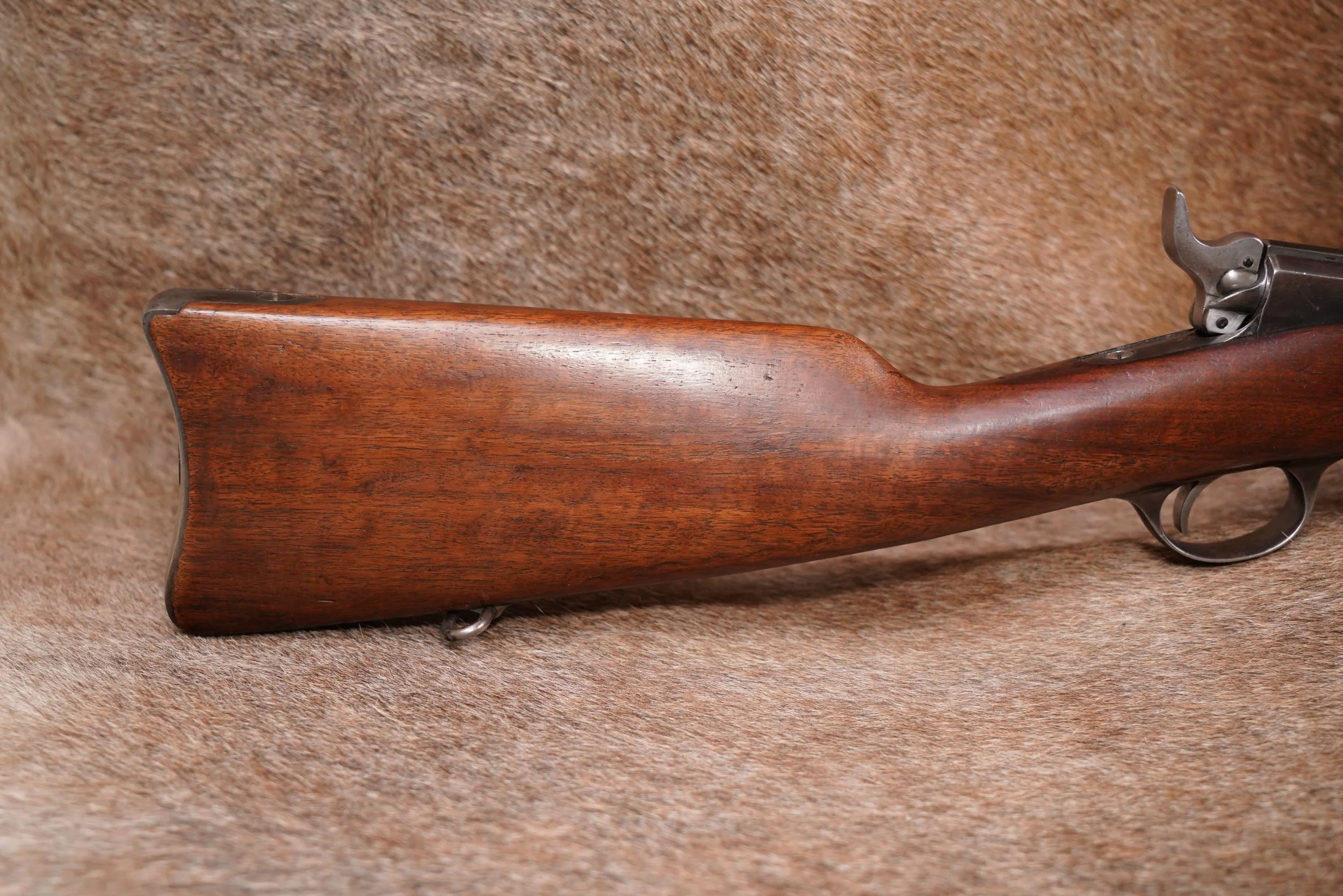

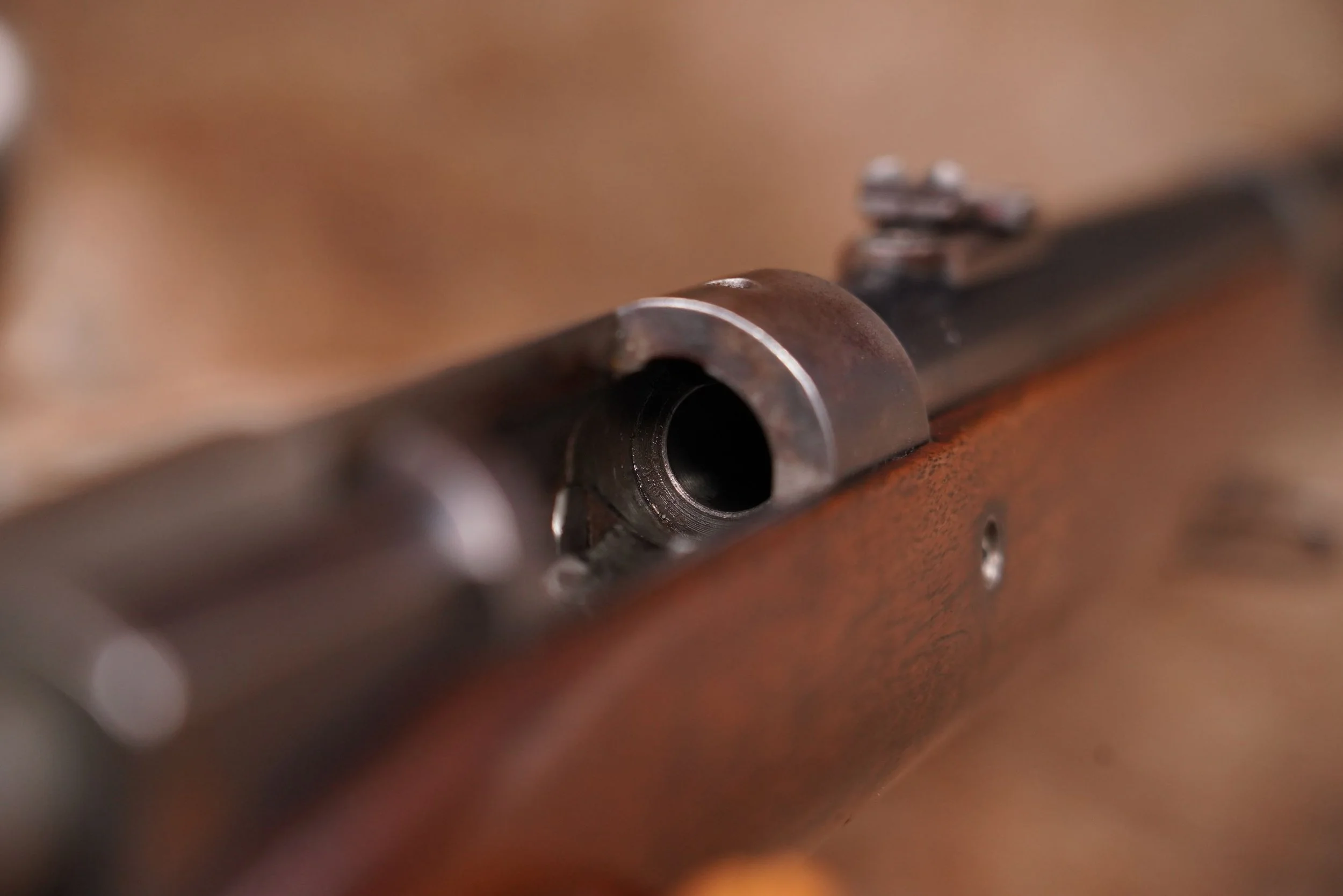
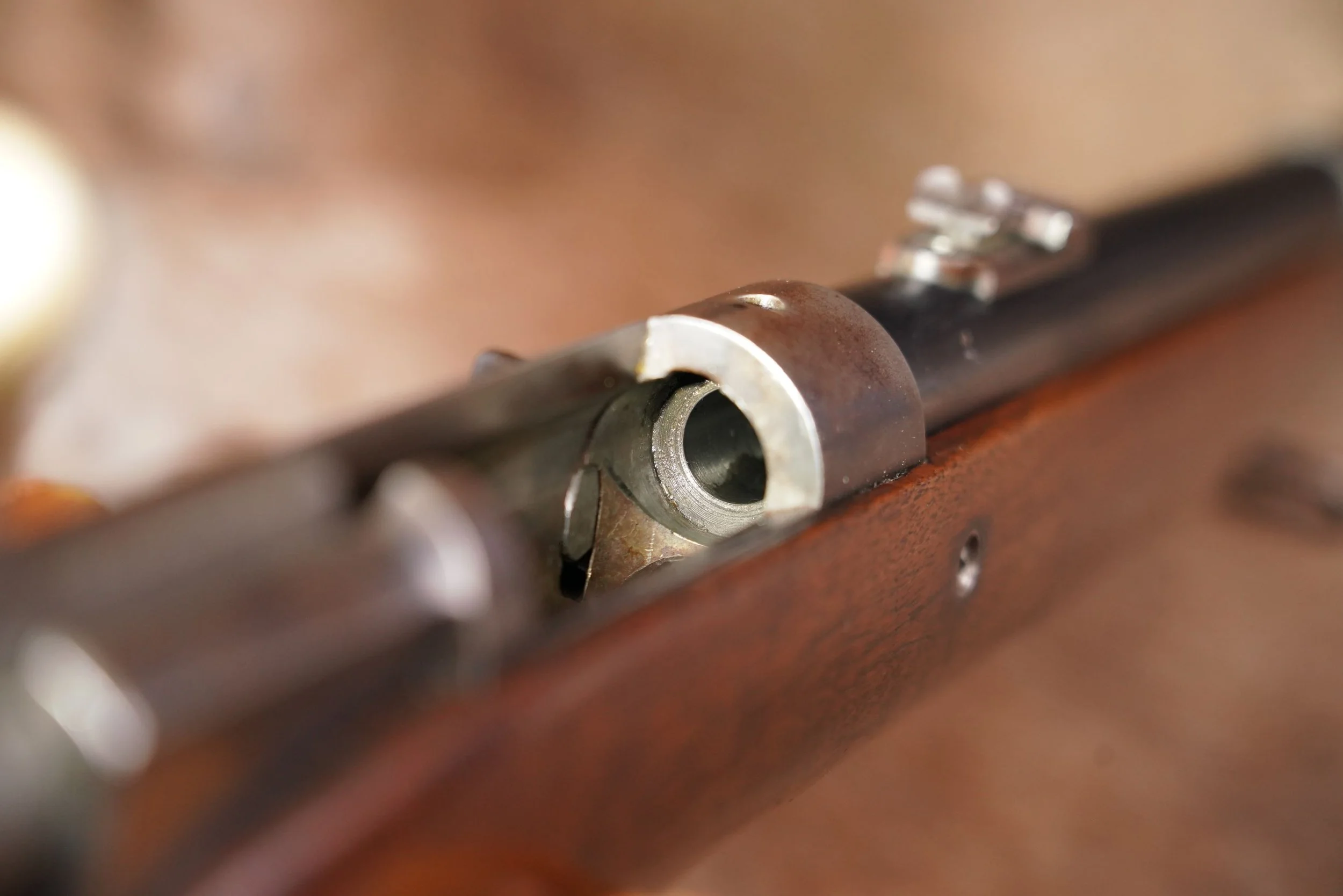
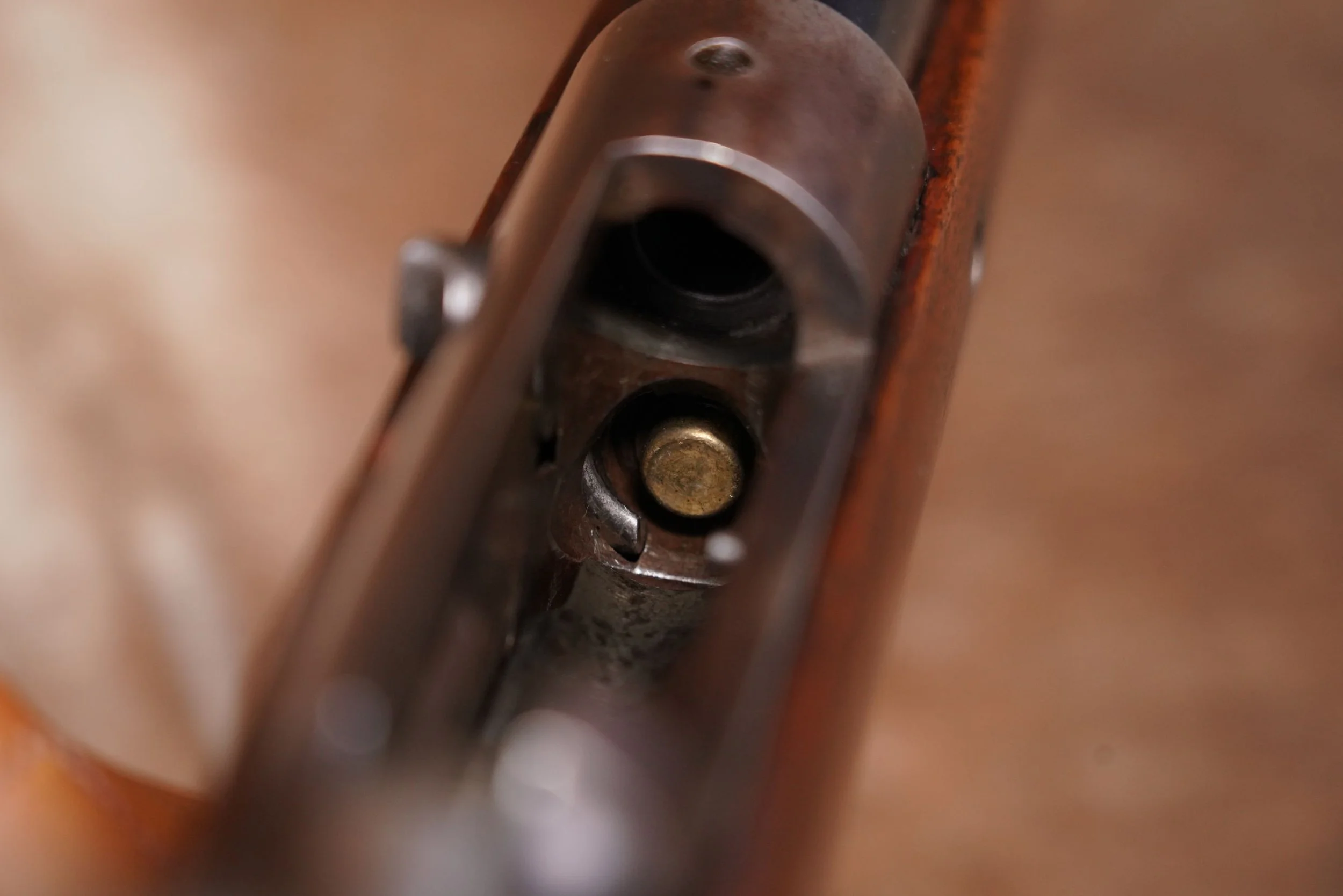
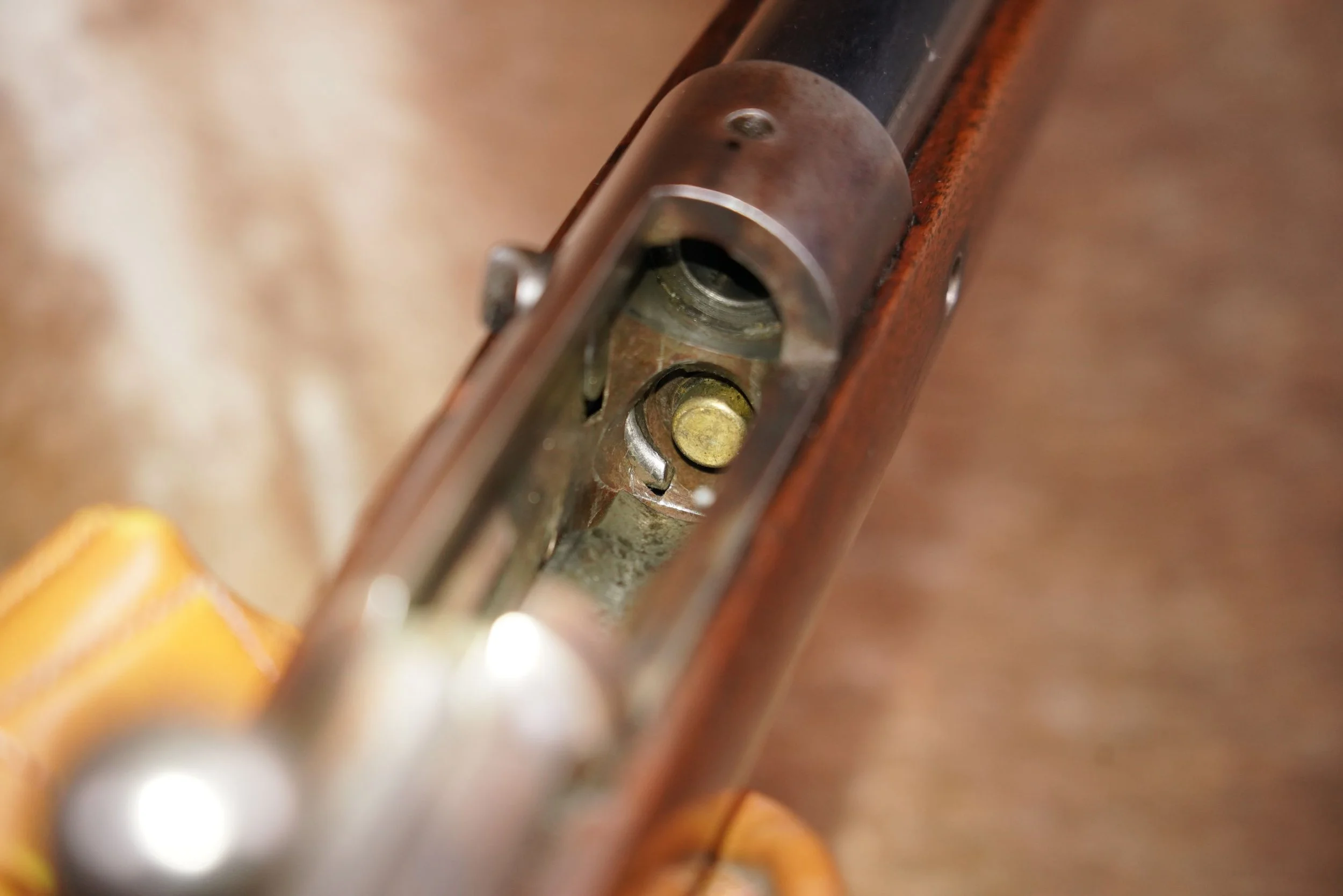
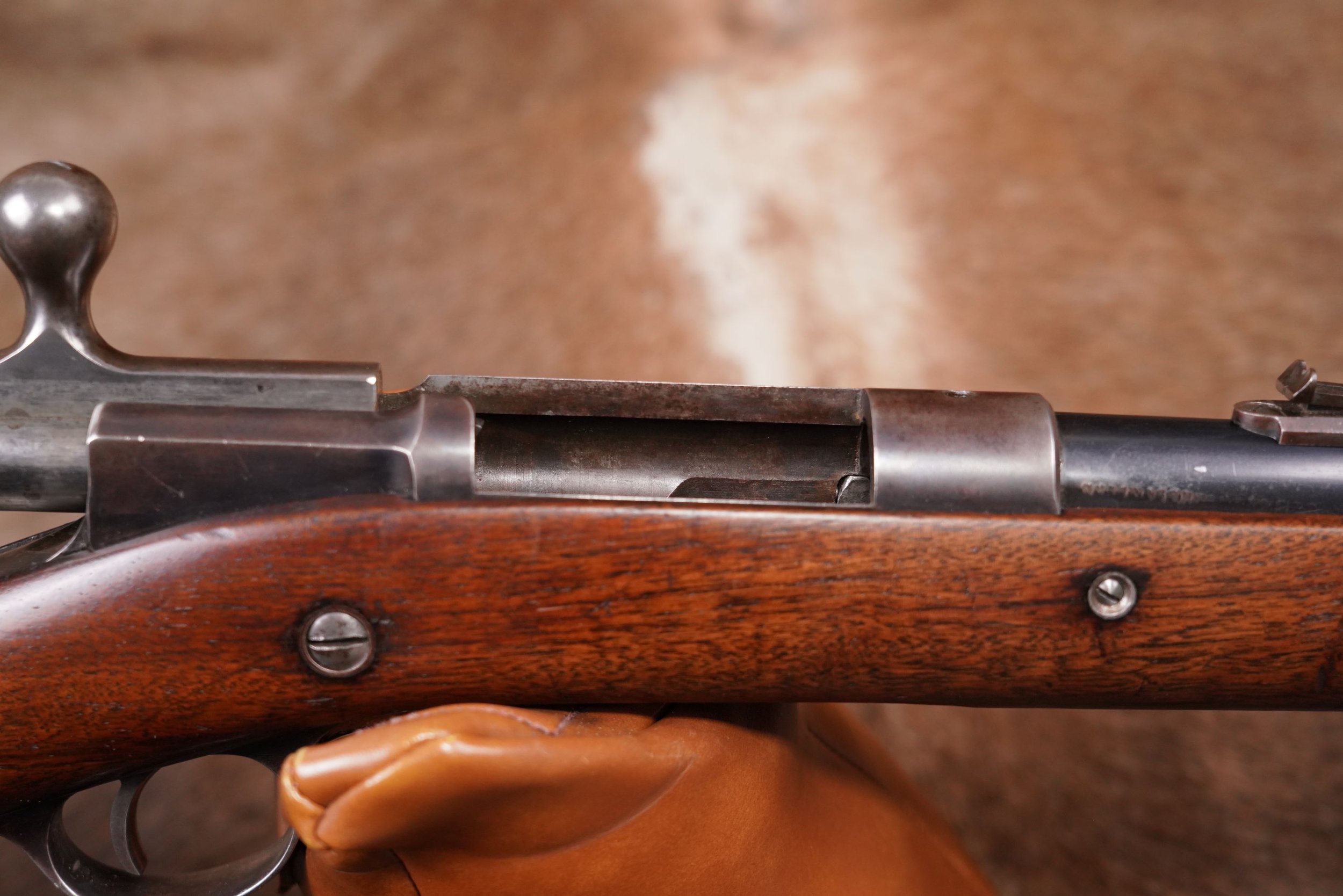
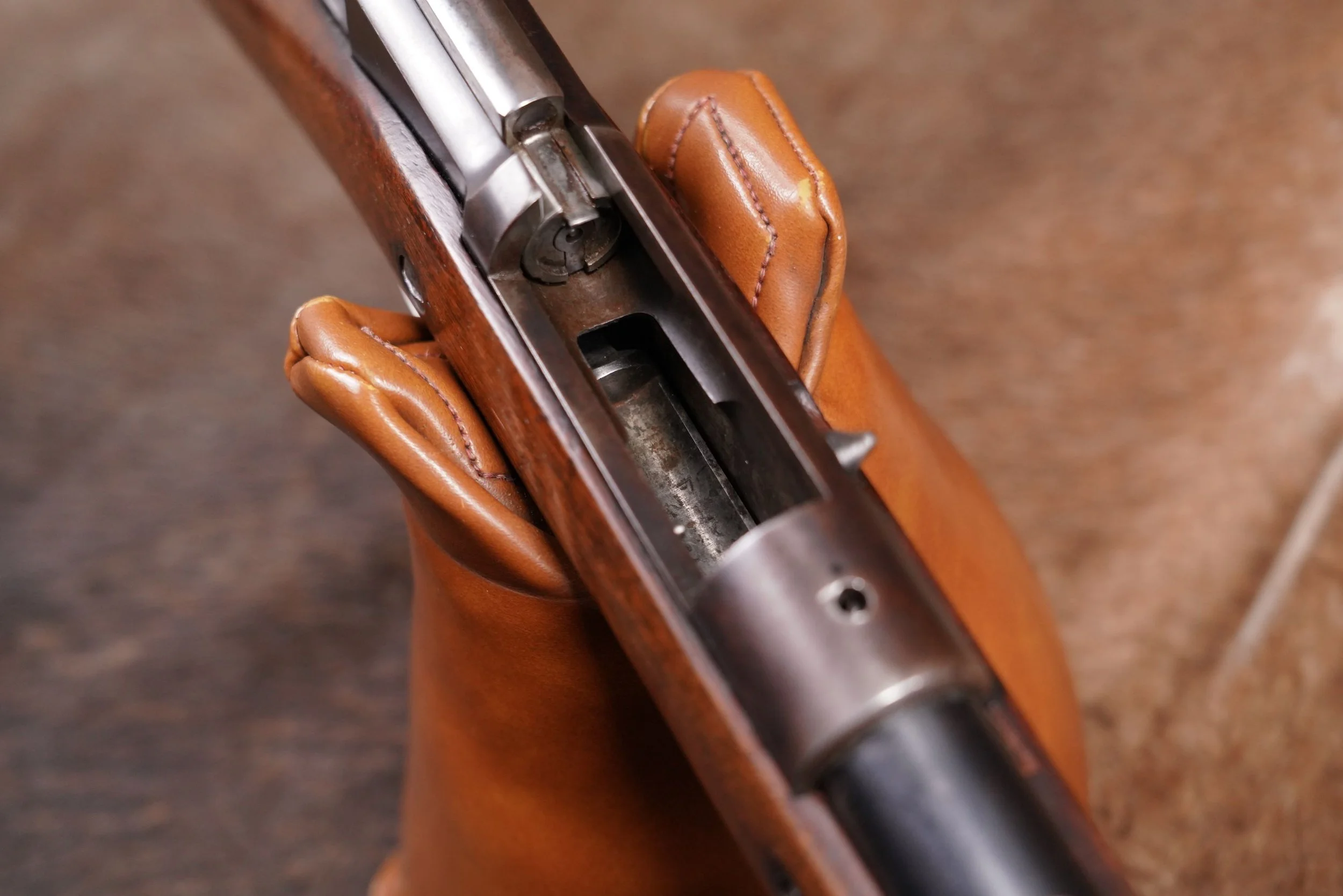
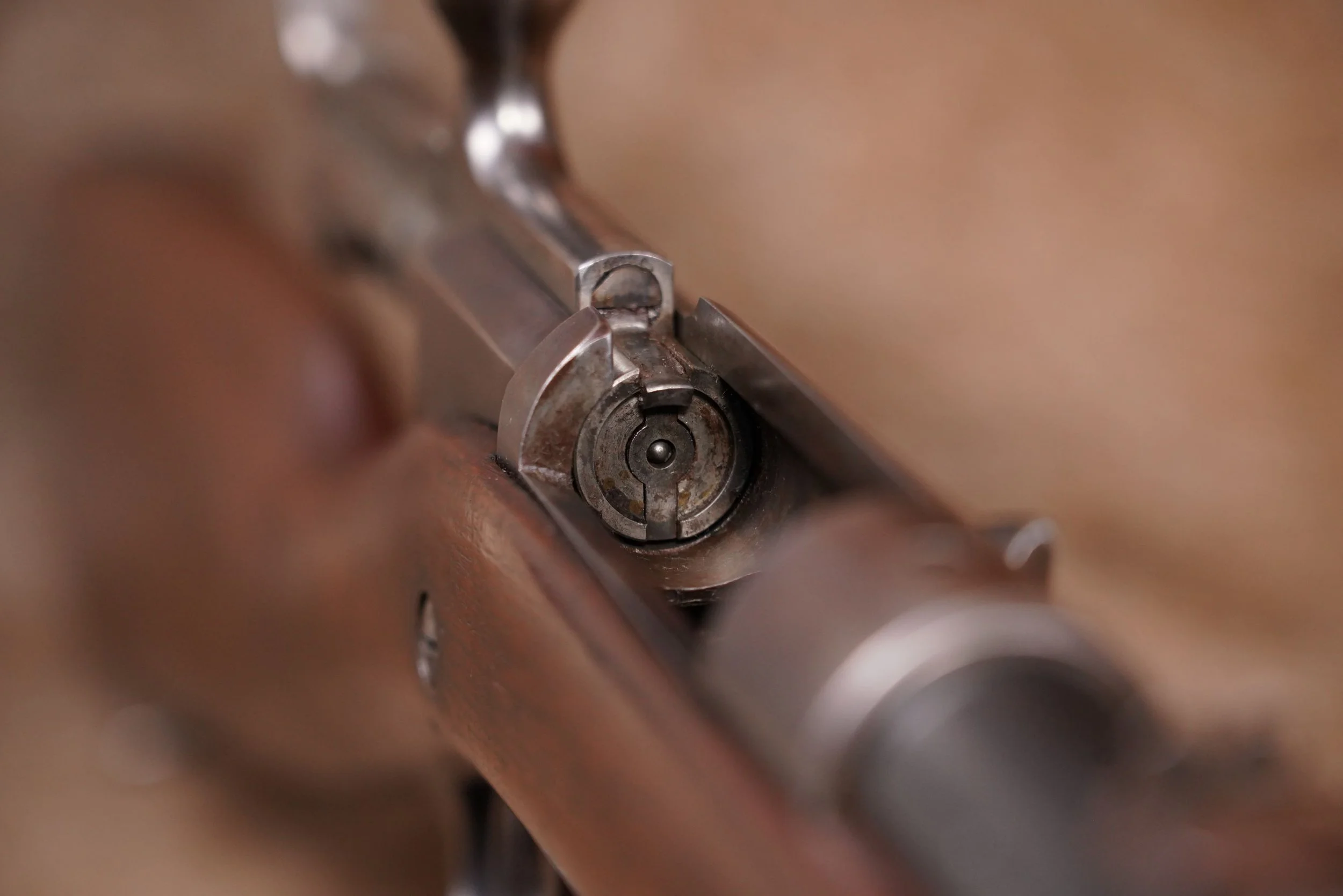
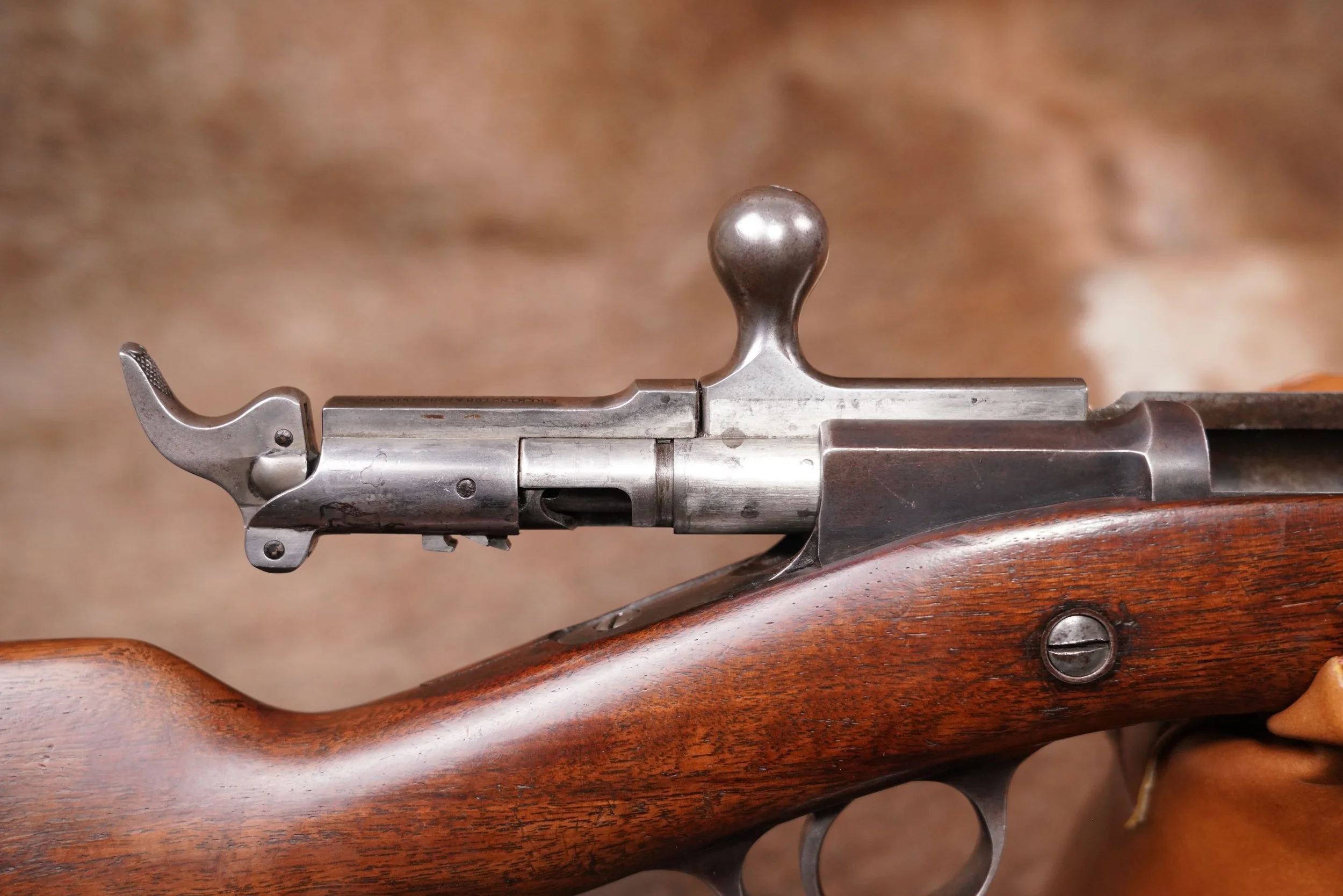
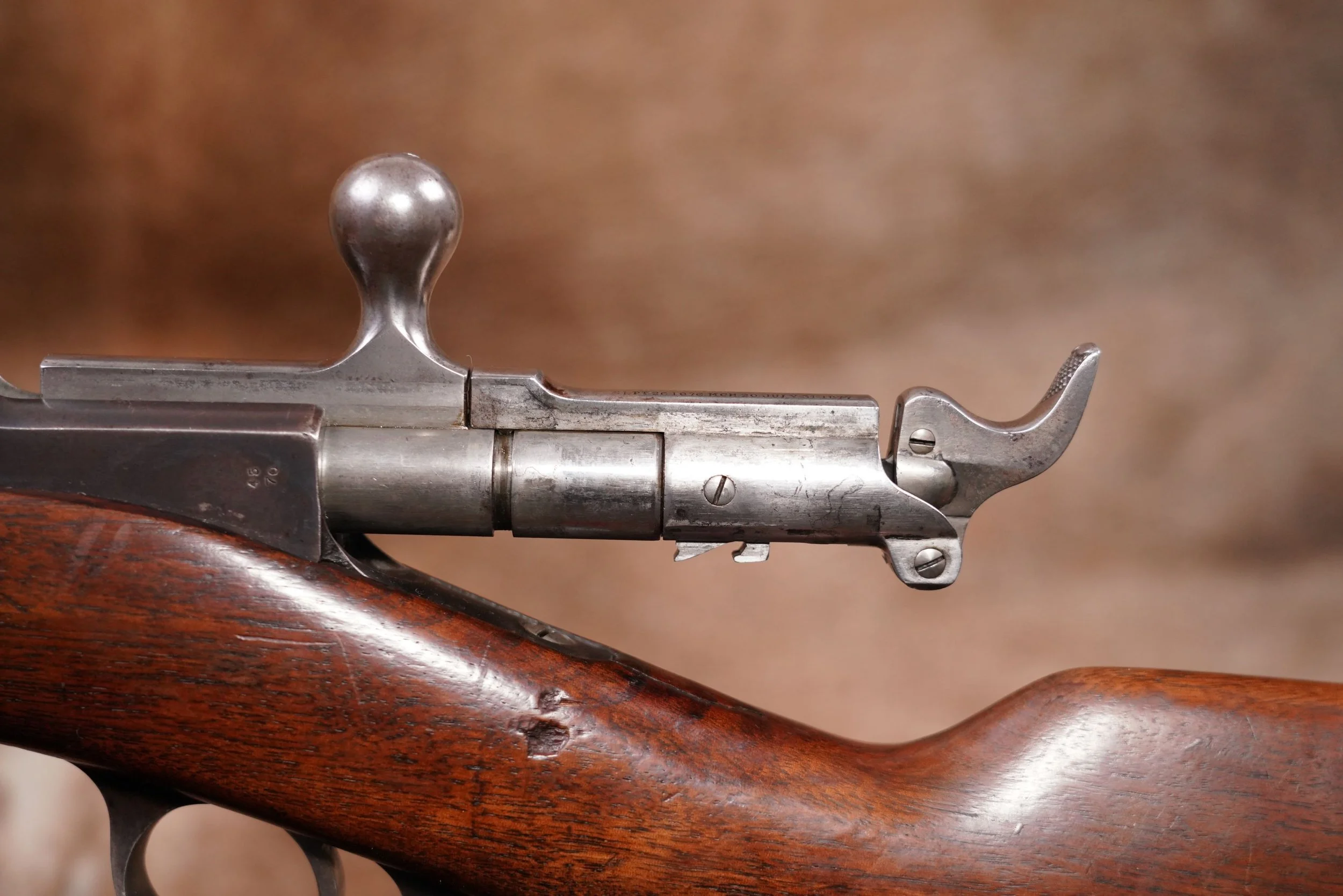
The Remington Keene occupies an important place in American firearms development as Remington’s first production bolt action rifle and one of the earliest American attempts to combine a repeating magazine with bolt action operation. This scarce commercial carbine was manufactured during the 1880s and is chambered in .45-70 Government, with a 20 inch barrel, tubular magazine, exposed rear cocking piece, and military influenced sights. Surviving Remington Keene rifles are uncommon today, particularly in carbine configuration, making this an intriguing artifact from a period when the modern repeating rifle had yet to assume a standardized form.
Identification
MMA#: 260627CM005
Make: E. Remington & Sons
Model: Remington Keene Carbine
Serial Number: None
Year of Manufacture: 1880 to 1888
Caliber: .45-70 Government
Action Type: Tubular Magazine Fed Bolt Action Repeating Rifle
Barrel Length: Approximately 20 Inches
Markings
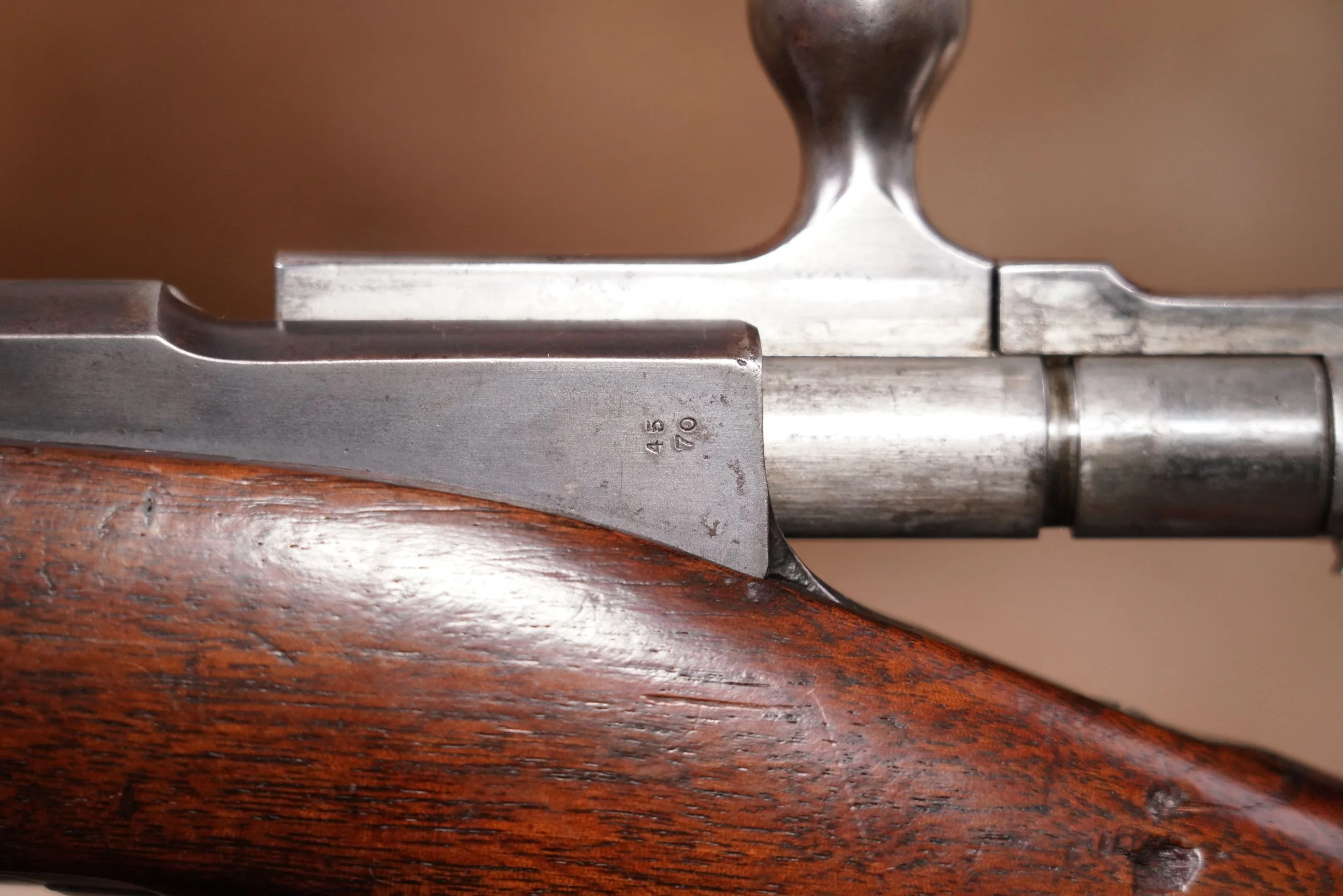
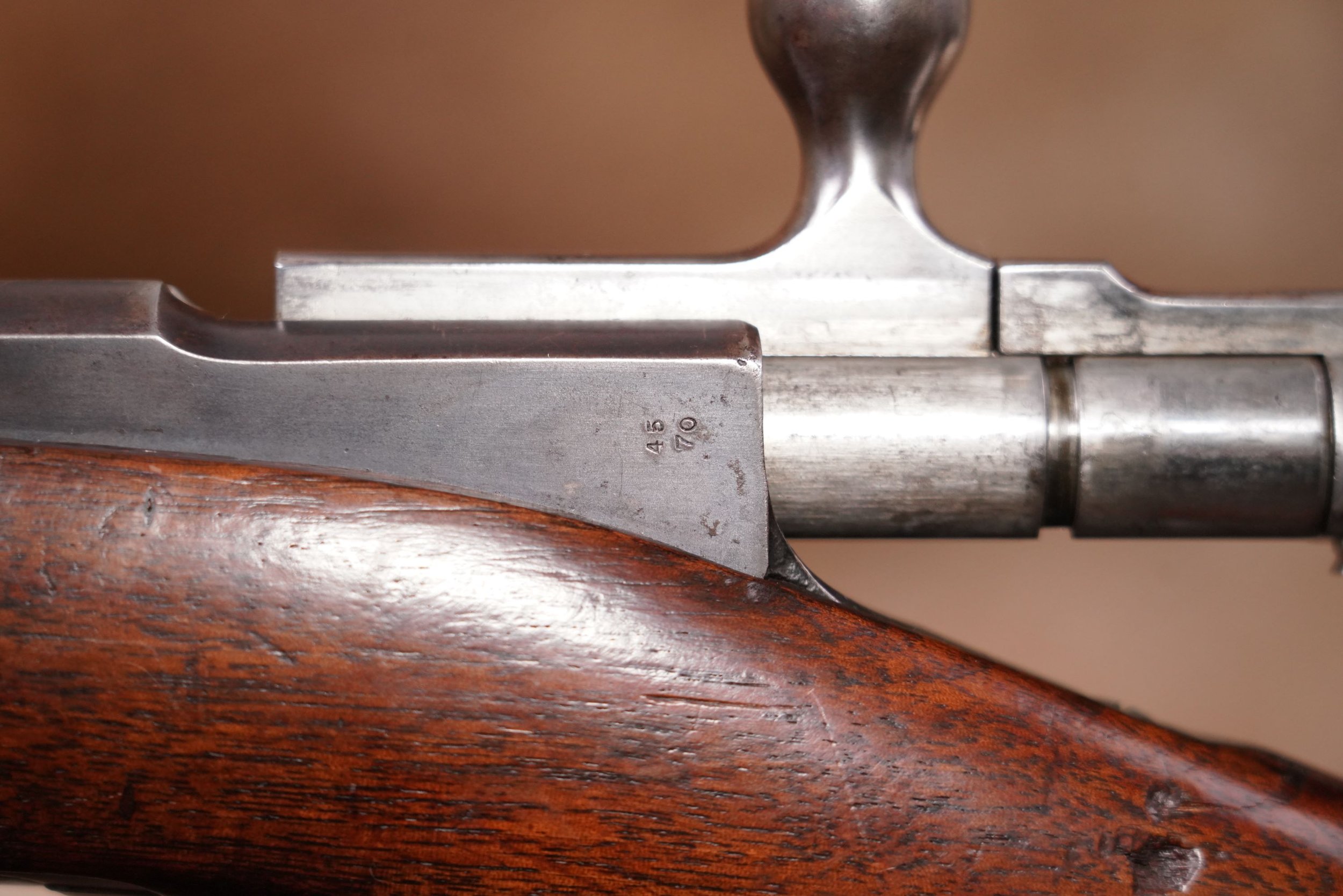
The left side of the receiver is marked:
“45 / 70”
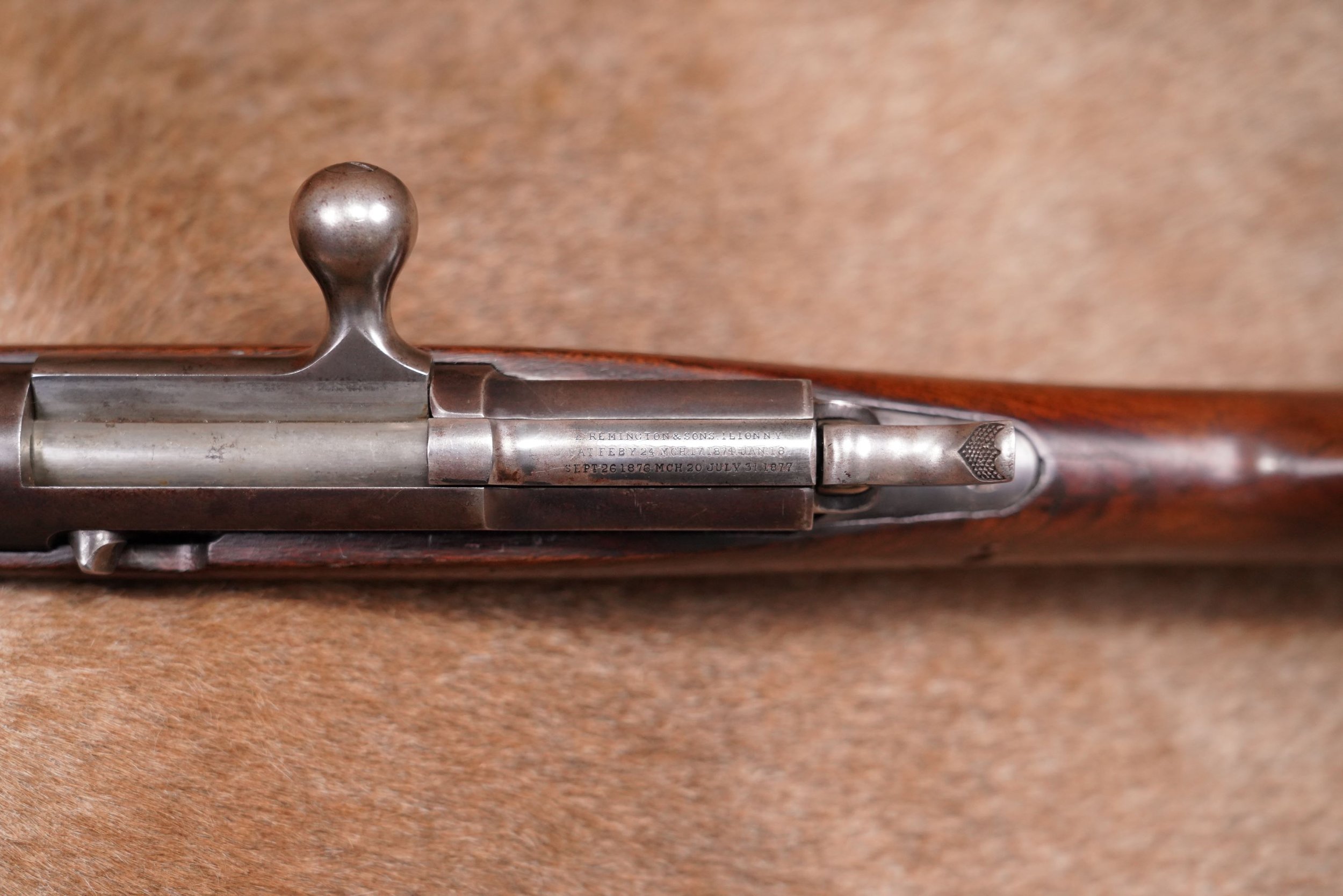
The bolt is marked:
“E. REMINGTON & SONS, ILION, N.Y. / PAT. FEB’Y. 24 MCH. 17 1874 JAN. 18 / SEPT. 26 1876 MCH. 20 JULY 31. 1877”
The receiver caliber marking remains clear, while the patent and manufacturer markings on the bolt are light.
Sights / Optics
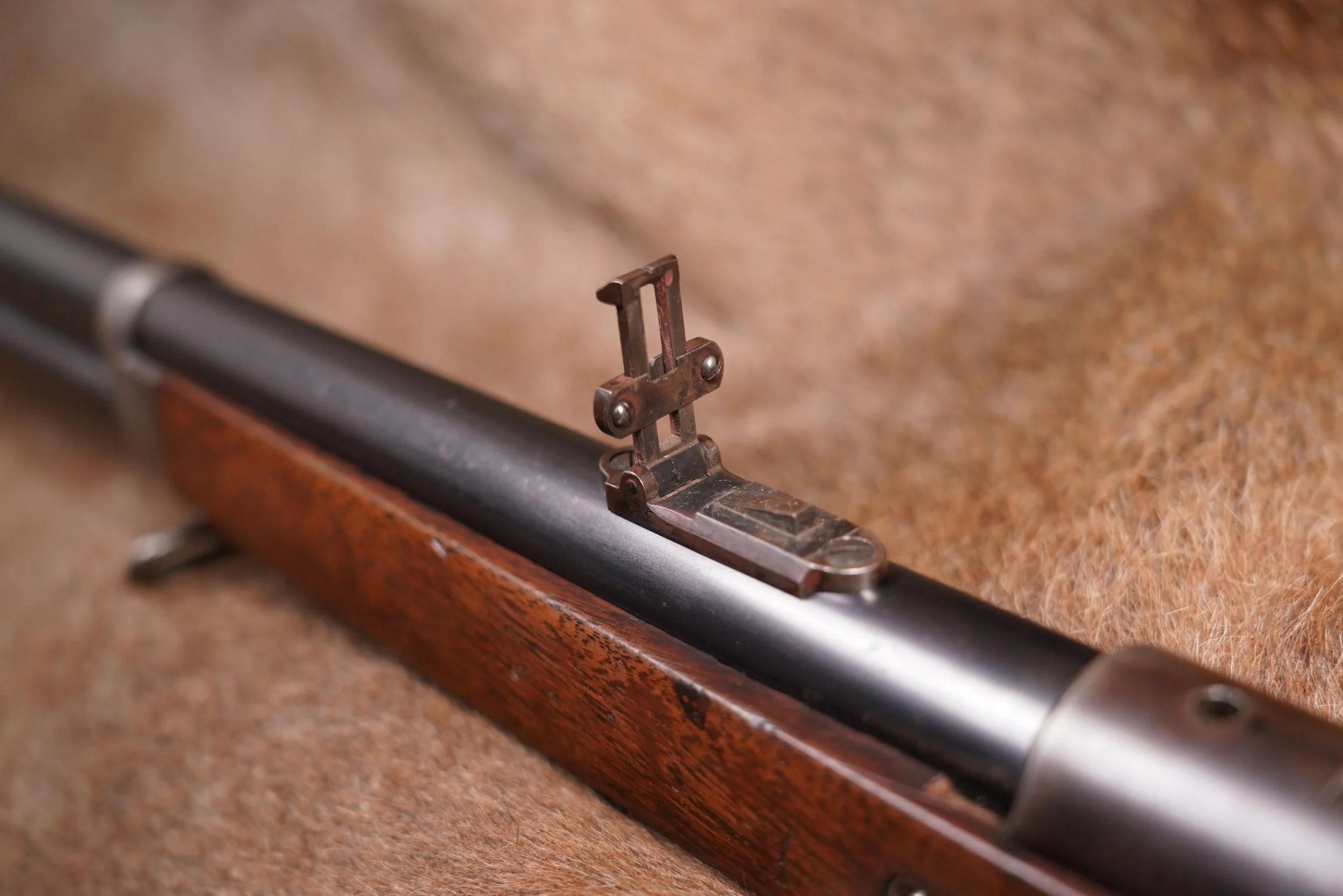
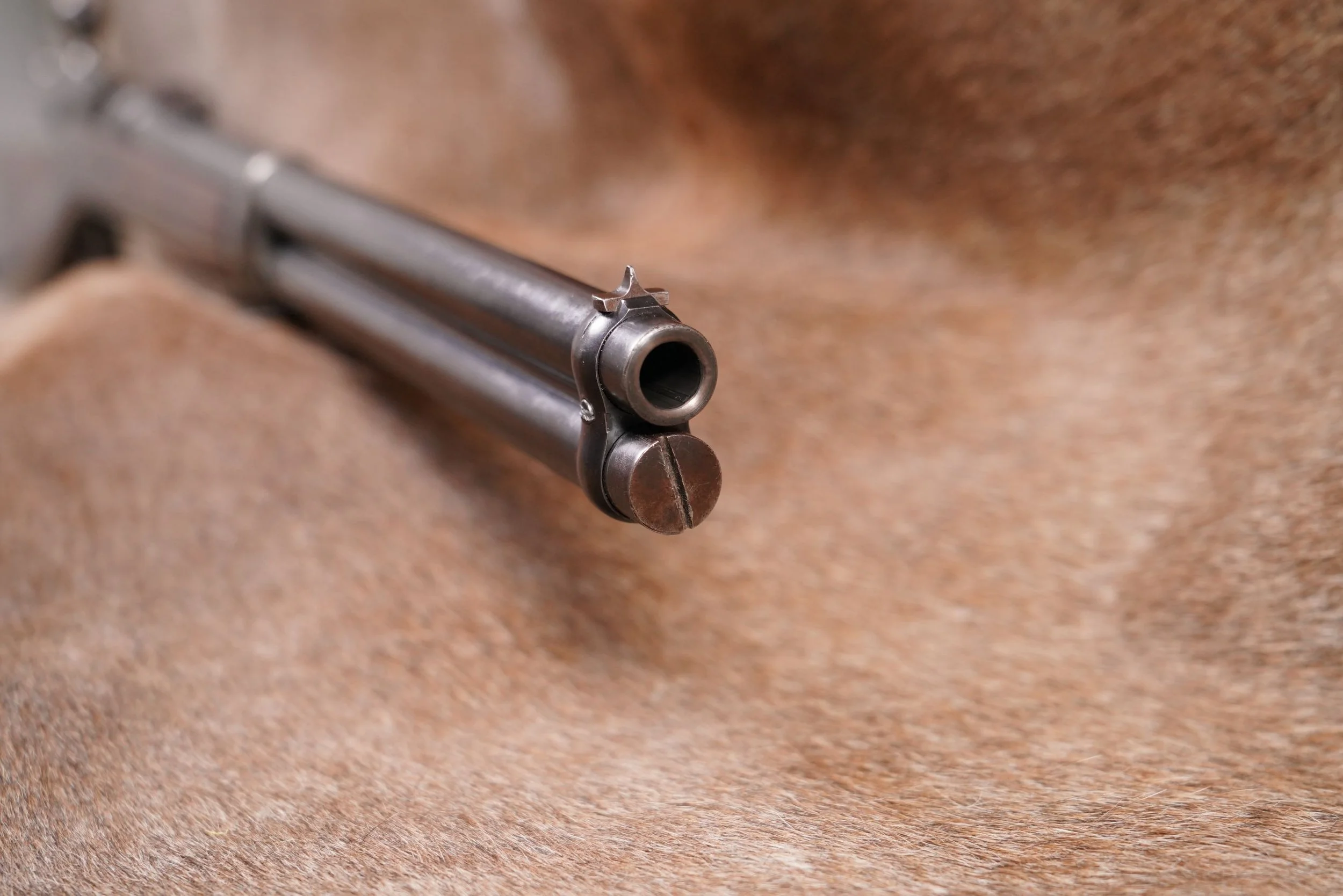
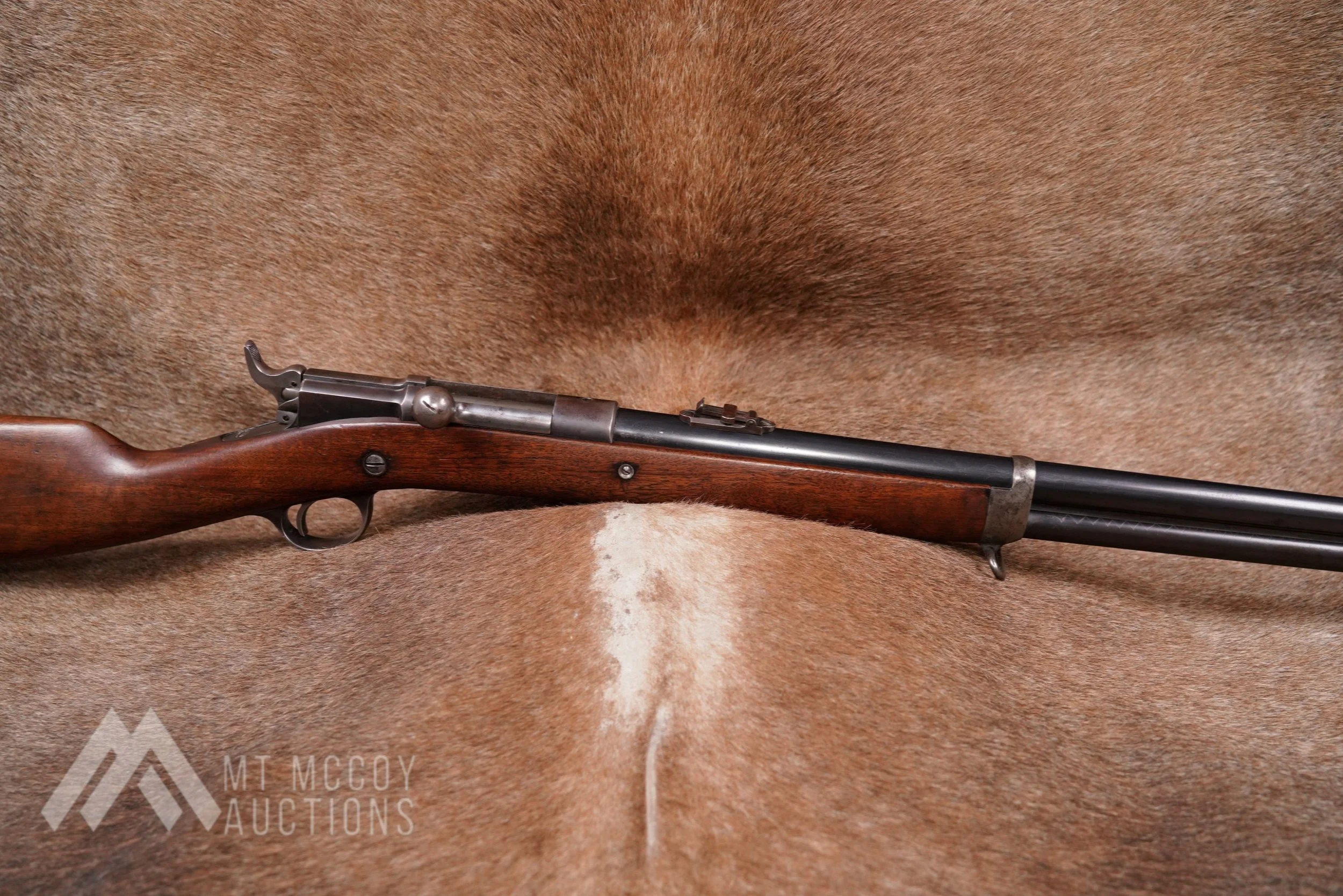
The front sight is a blade dovetailed into the barrel band at the front of the barrel.
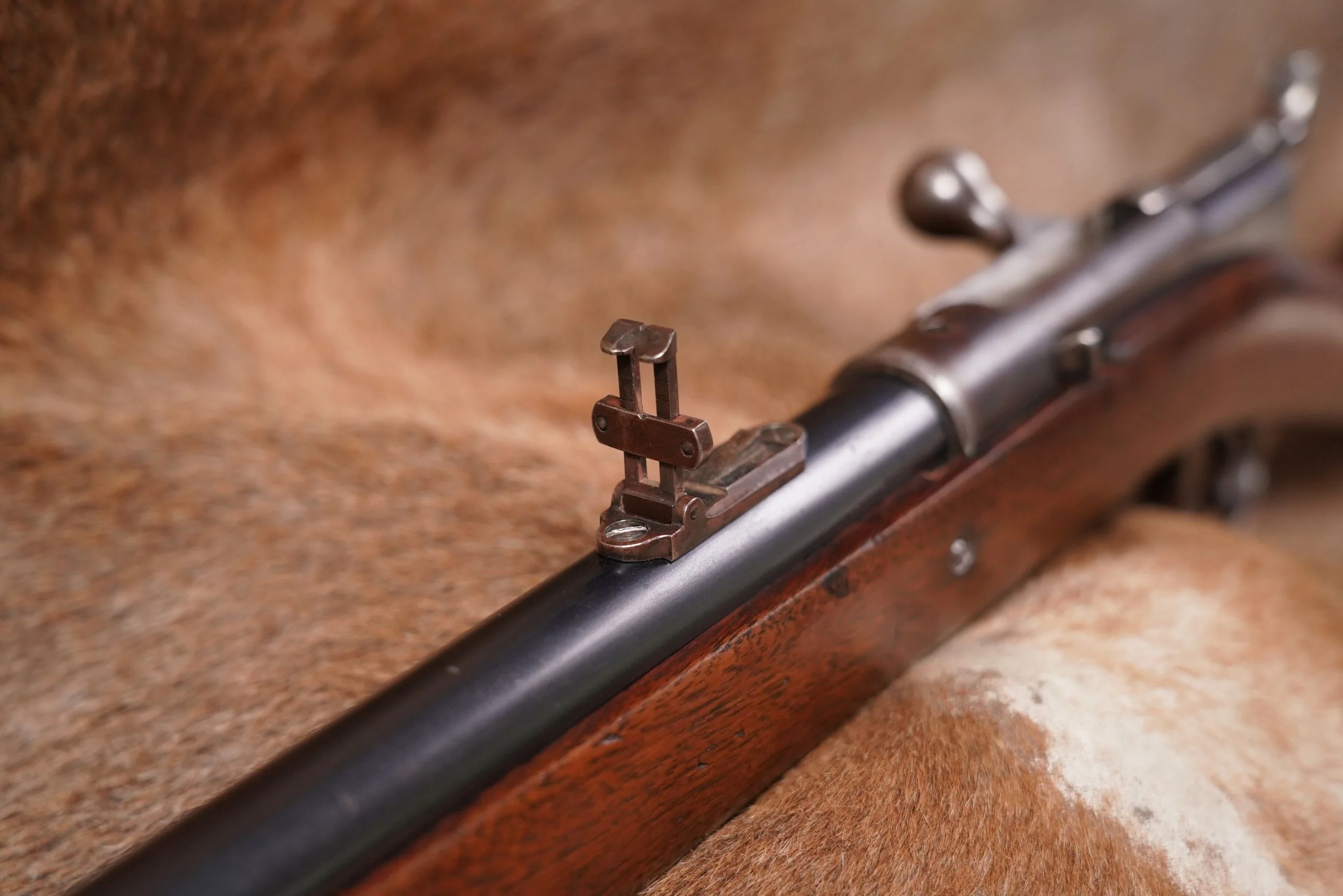
The barrel mounted rear sight uses a U notched blade when folded down. When raised, it becomes a ladder sight with a sliding U notched blade for elevation adjustment. An additional U notch is incorporated into the top of the ladder.
Stock Configuration & Condition
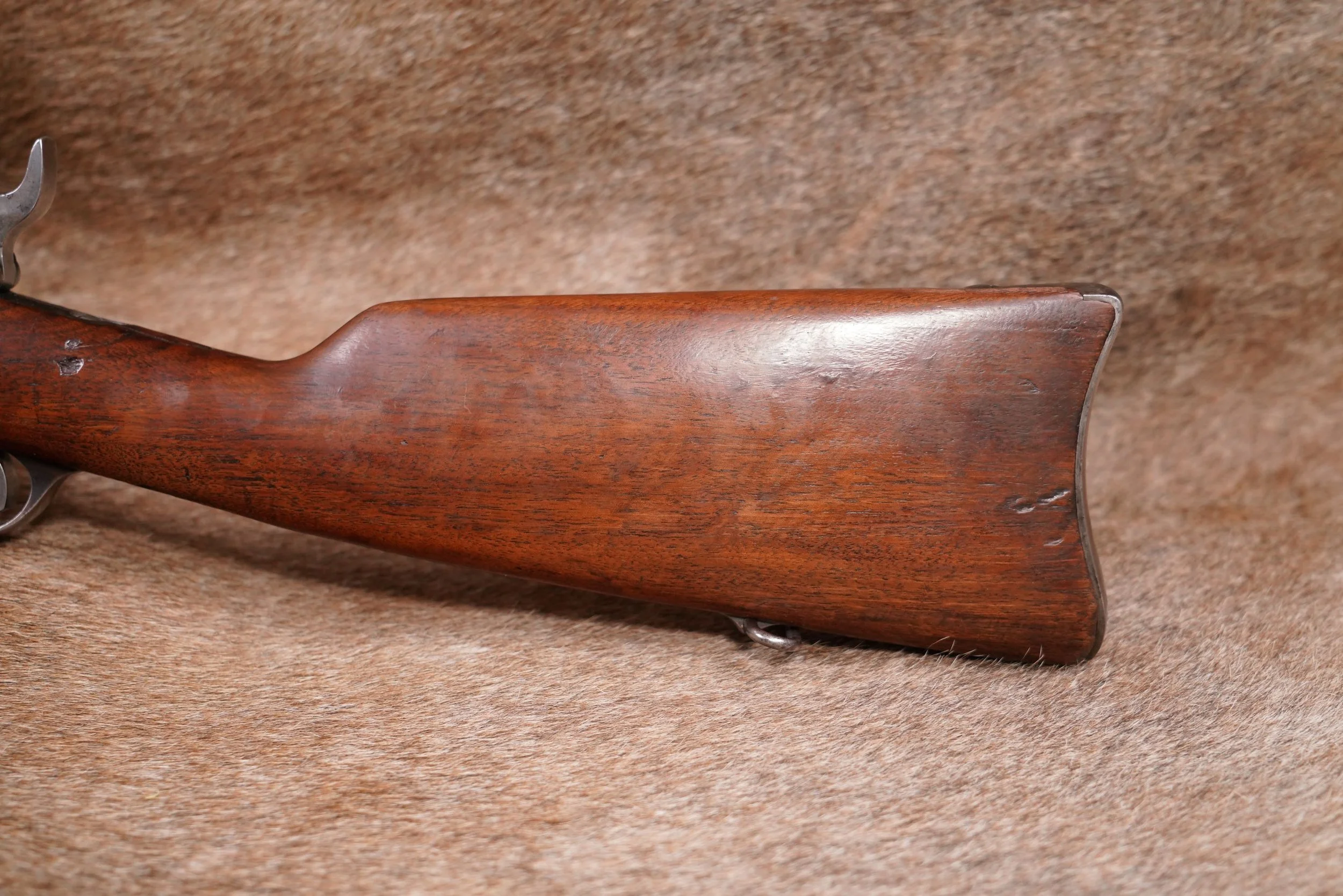
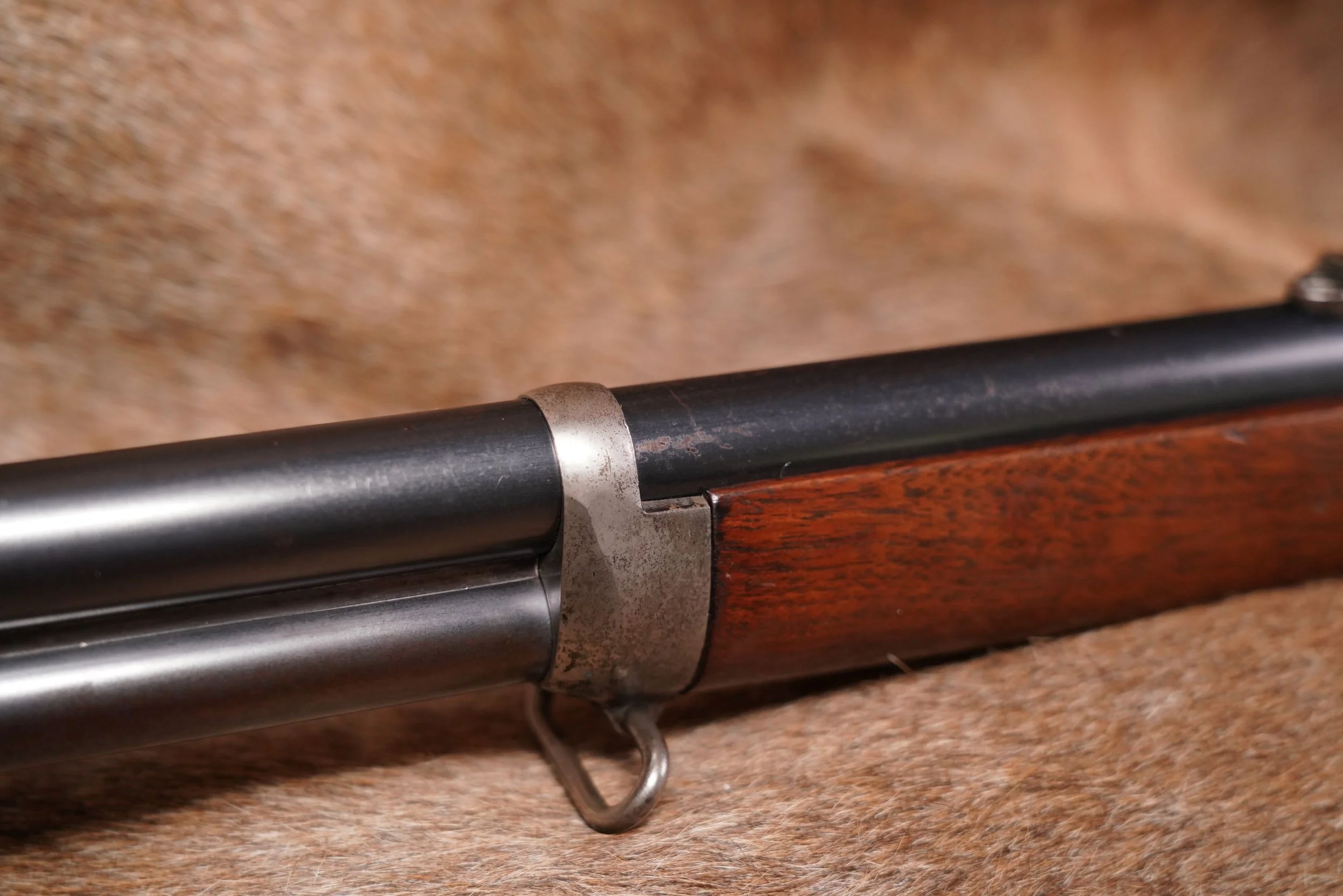
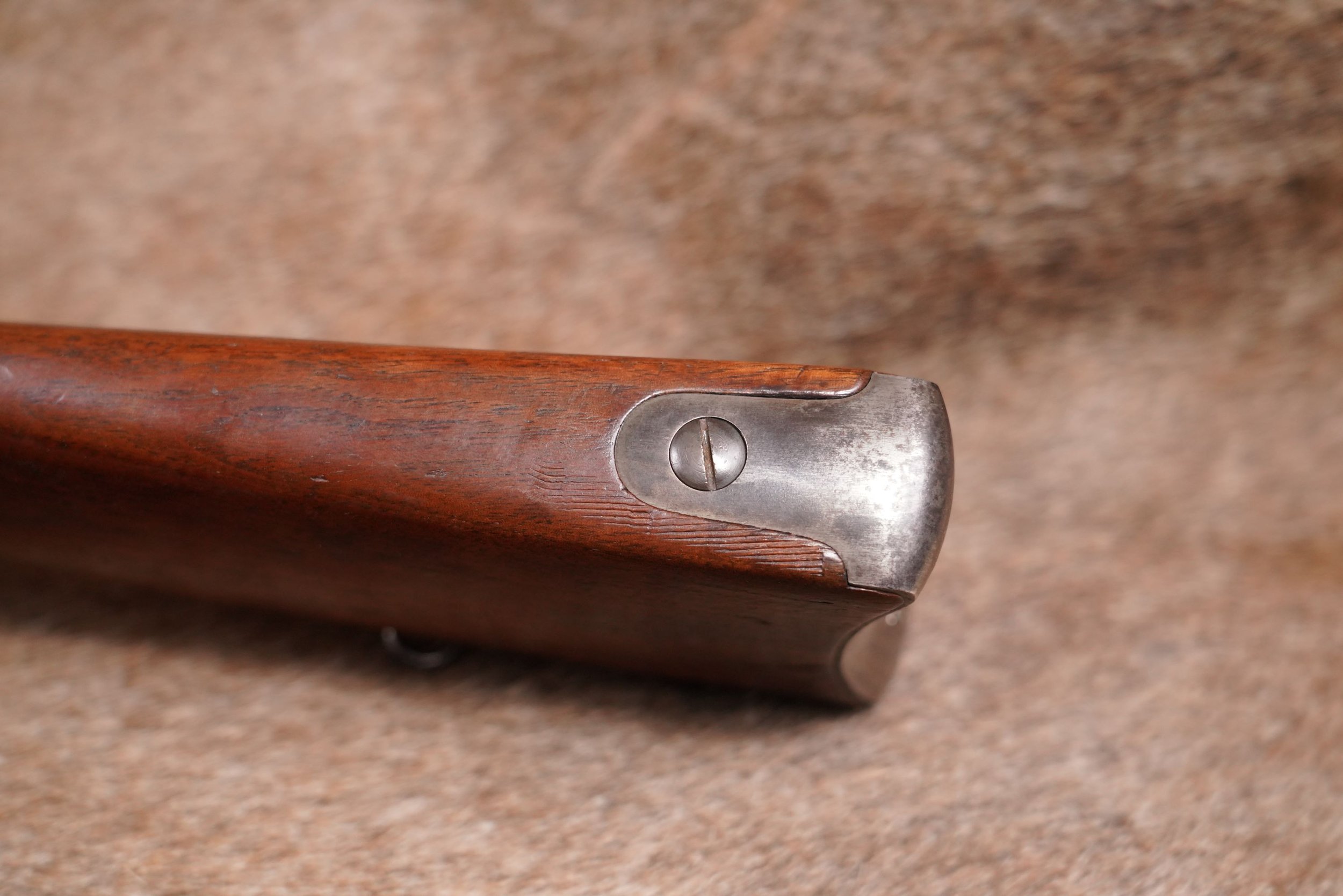
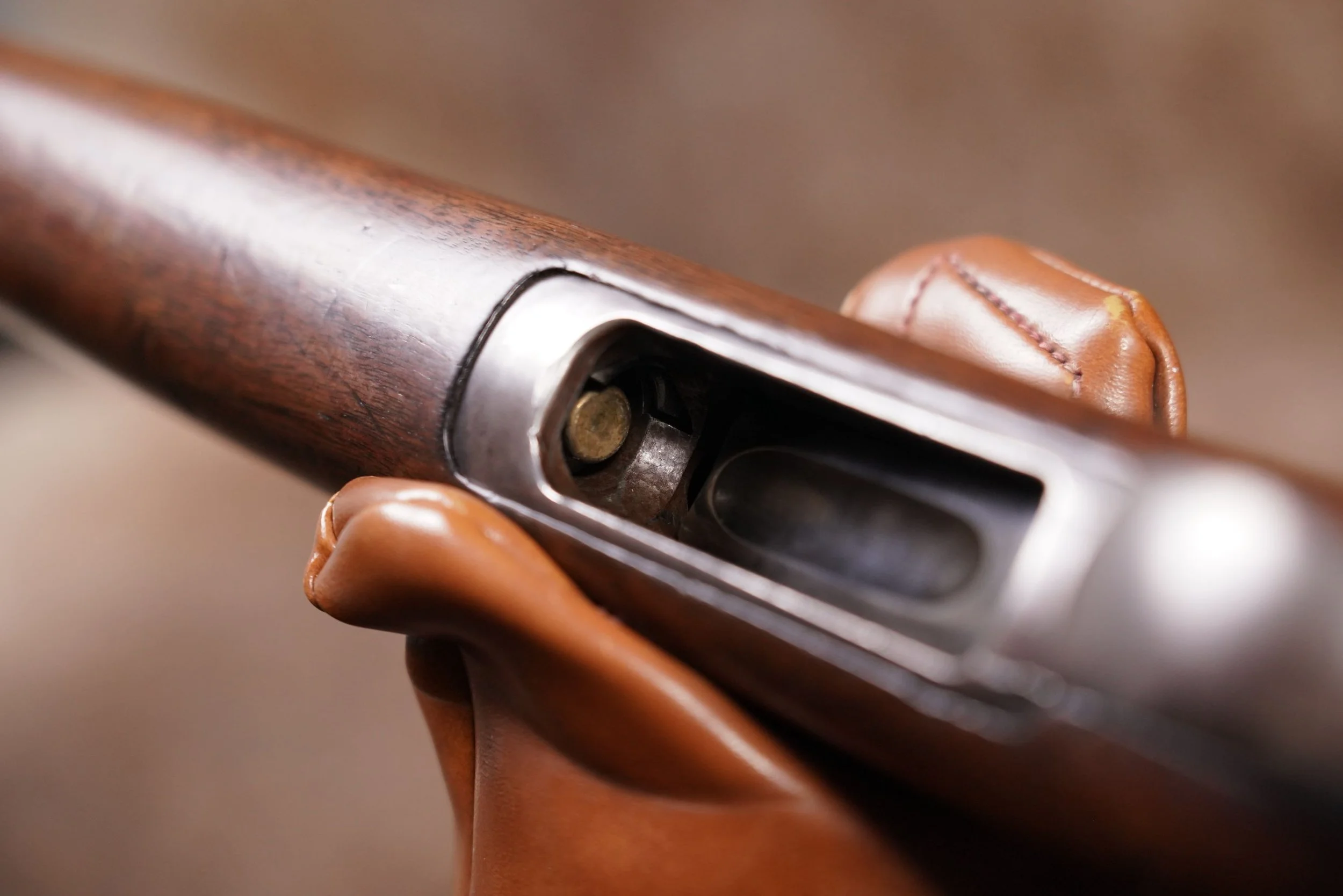
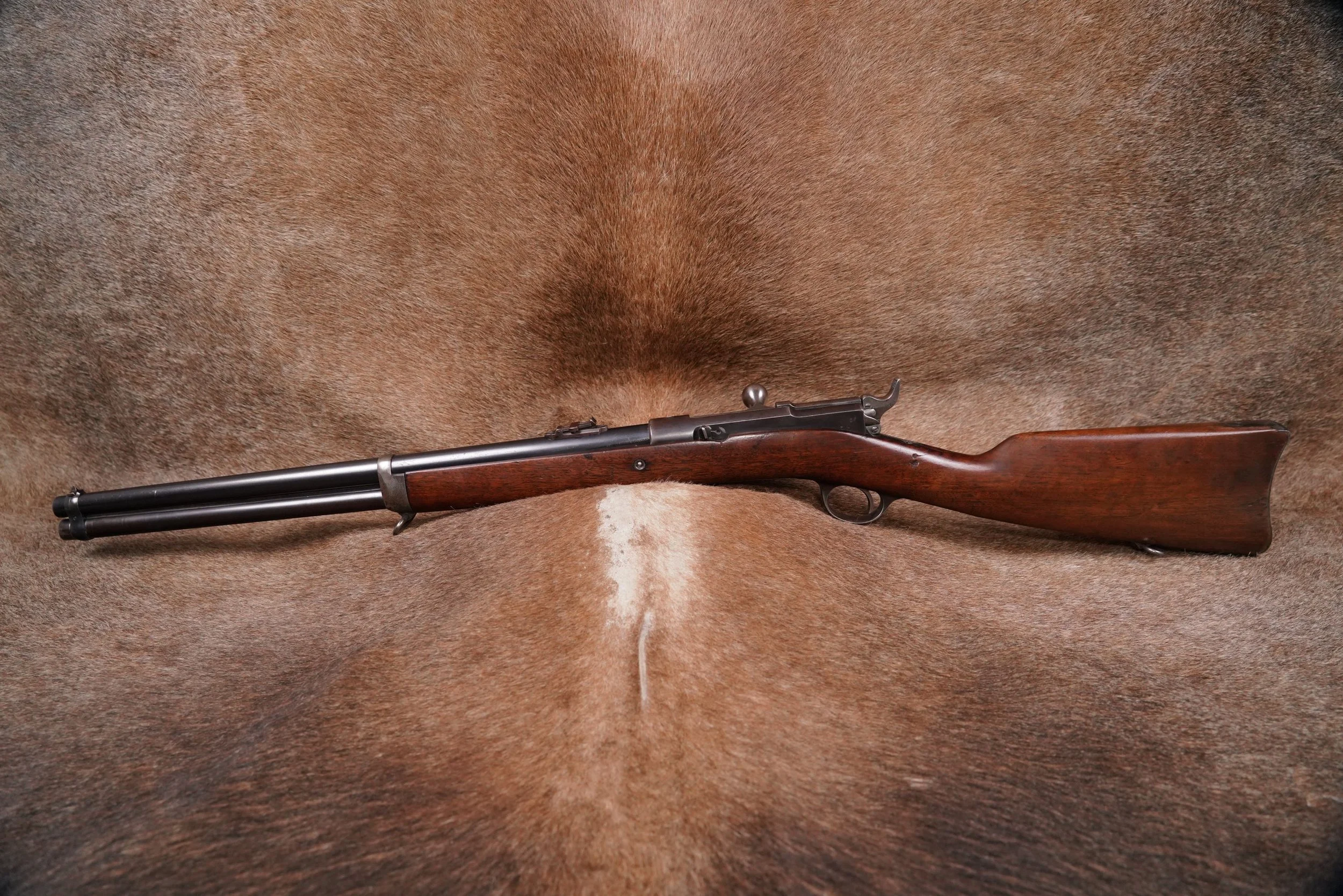
The hardwood stock has a straight grip, nosecap, two sling loops, two stock screws, straight comb, and curved metal buttplate with a hinged storage compartment door.
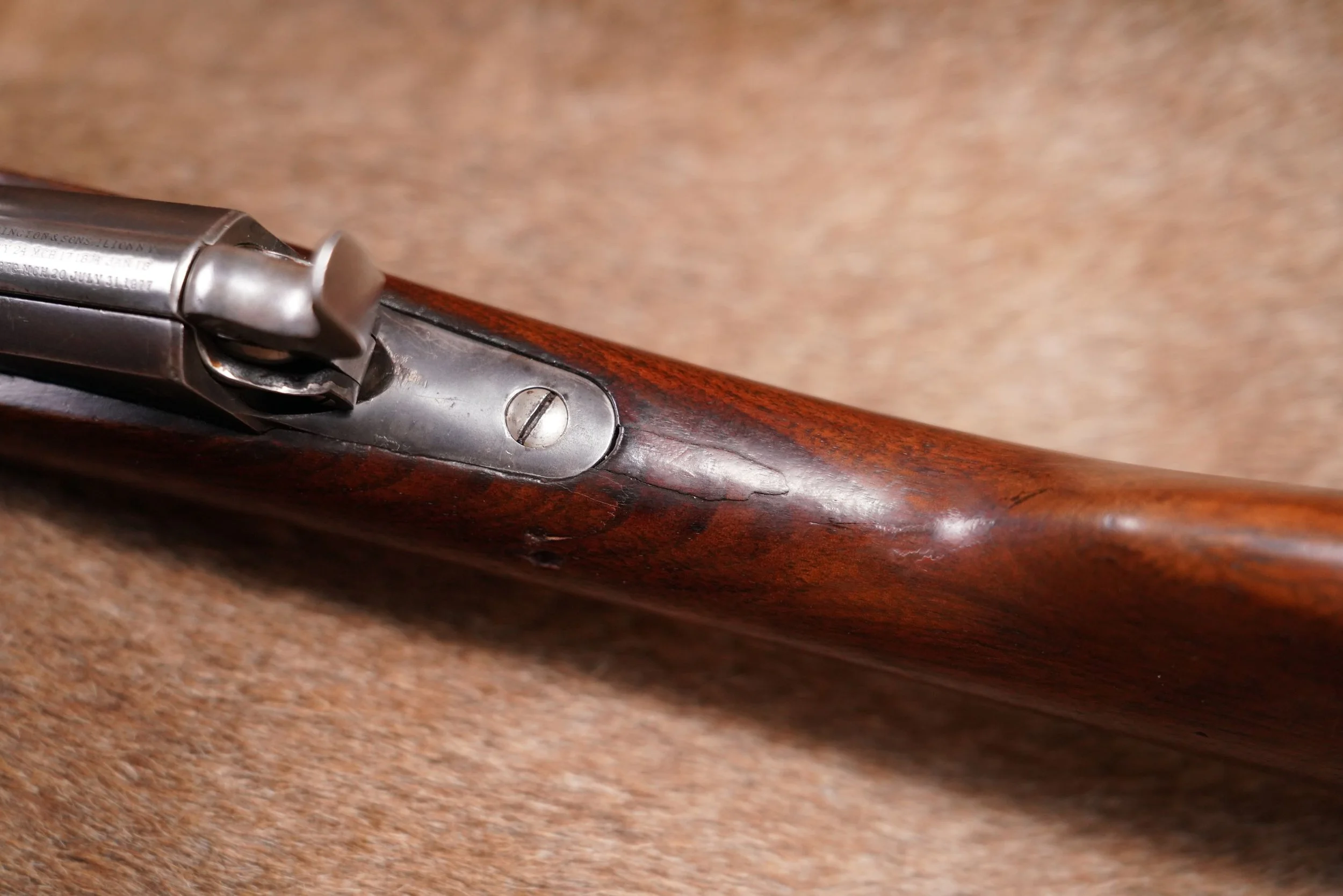
The nosecap exhibits surface erosion. The wood shows scattered scrapes and compression marks, most of which are relatively small or light. A small area of surface wood is missing from the left side of the grip.
Repairs are visible along the top and left side of the grip.
Length of pull measures approximately 13 inches from the front of the trigger to the rear of the buttplate.
The buttplate exhibits wear and discoloration from oxidation.
The stock has been refinished.
Overall stock condition: Very Good as refinished.
Finish & Overall Condition
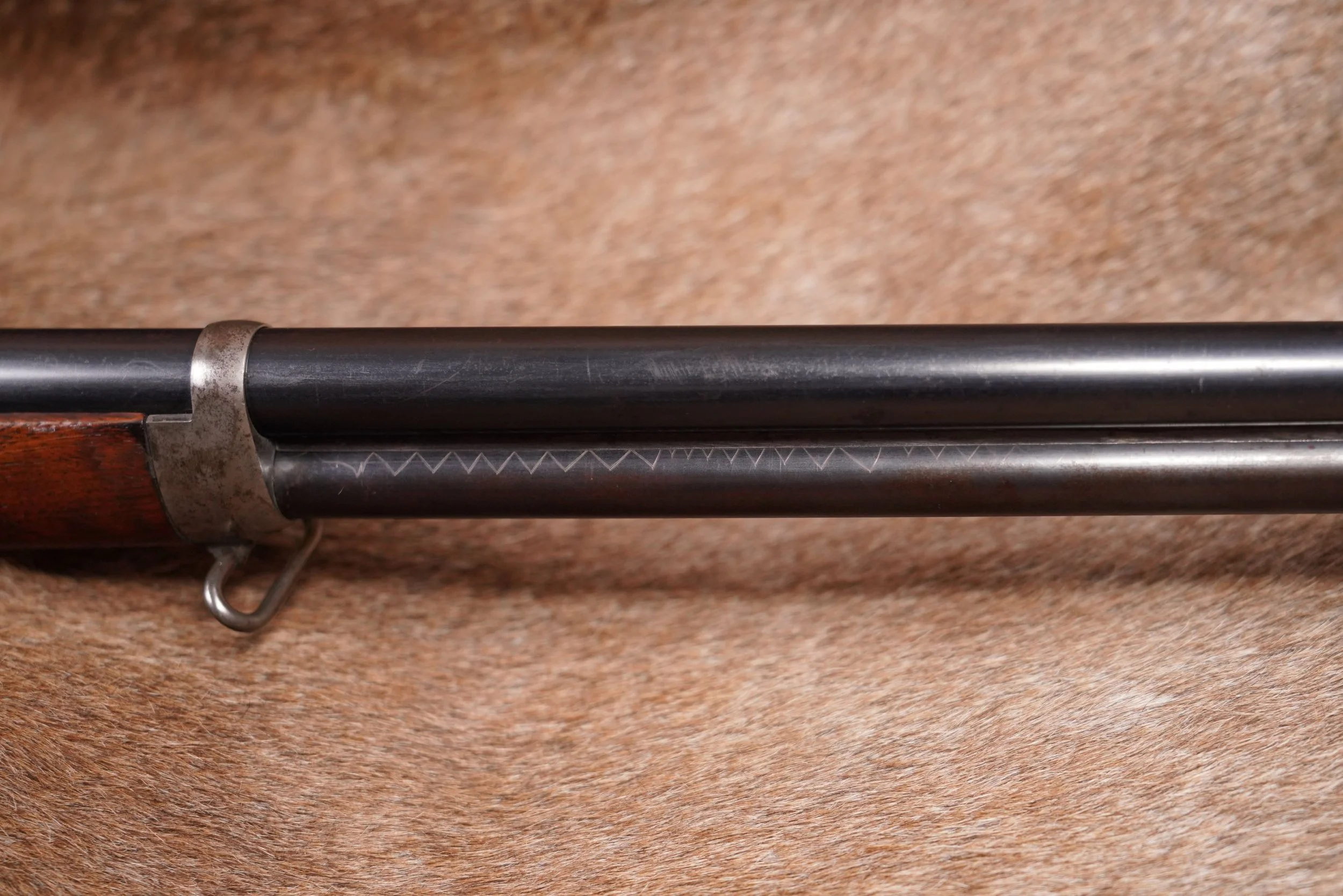
Type of Finish: Blue
Finish Originality: Refinished
This rifle retains approximately 70 percent of its metal finish as refinished. Cleaned surface erosion remains visible beneath the newer finish on the barrel.
The metal surfaces show scrapes, scratches, dings, oxidation discoloration, and areas of light surface erosion. The bottom metal exhibits finish thinning and the action shows operational wear.
Most screw heads show light use, while the large stock screw exhibits substantial use.
The receiver marking remains clear. Markings on the bolt are light.
Overall condition: Very Good as a refinished Antique.
Bore & Mechanics
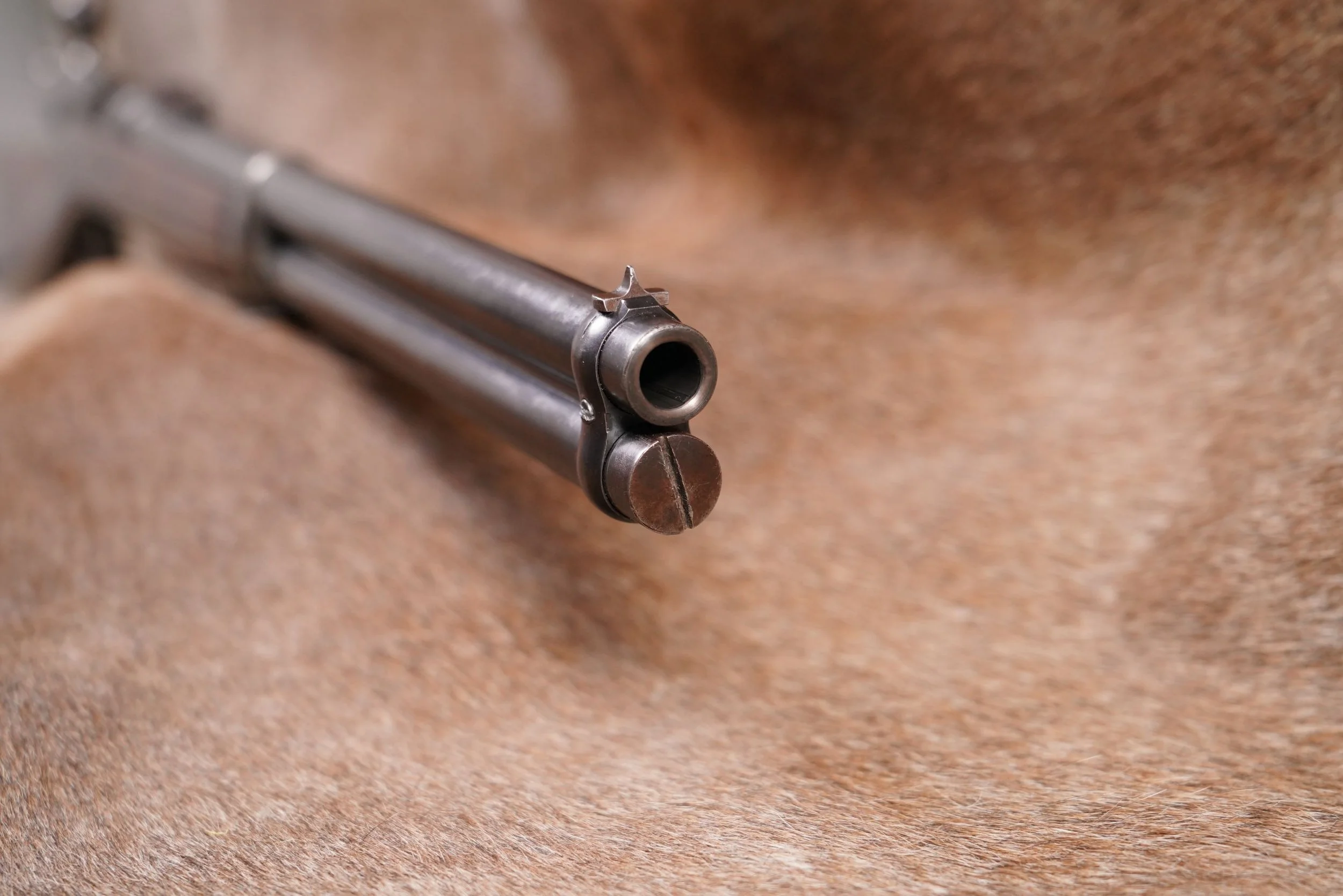
Bore Condition: The muzzle and grooves are semi bright with deep rifling. Fouling is present along with oxidation at the muzzle and scattered light erosion in the grooves. In the original evaluator’s opinion, the bore rates 8.5 out of 10.
Mechanics: The action functions correctly during mechanical evaluation. The rifle was not test fired. Suitability for firing should not be inferred solely from a mechanical function check, particularly given the firearm’s antique status.
Box, Paperwork & Accessories
None.
Our Assessment
The Remington Keene comes from a fascinating transitional period in firearms history. During the late nineteenth century, the familiar categories of repeating rifle action had not yet settled into the forms that would dominate the following century. Lever actions and single shots were firmly established in the American market, while practical repeating bolt action rifles were still relatively unusual.
John W. Keene developed a different approach.
Keene received a series of patents during the 1870s for a repeating bolt action rifle fed from a tubular magazine. Although he possessed the design, he lacked the manufacturing capability necessary to produce the rifle on a large commercial scale. Remington possessed precisely that capability, resulting in the relationship that brought the Remington Keene into production.
The resulting rifle is particularly interesting because it combines technologies that today seem to belong to different families of firearms. Its manually operated bolt resembles the direction military rifles would increasingly take, while cartridges are supplied from a tubular magazine of the type already familiar to American shooters through contemporary repeating rifles.
Even its external appearance reflects that transitional thinking. The prominent cocking piece at the rear of the bolt provided an easily visible indication of the rifle’s condition, giving shooters accustomed to exposed hammer firearms a familiar visual reference despite the otherwise unfamiliar bolt action mechanism.
The Remington Keene also holds an important place within Remington history as the company’s first production bolt action rifle.
Government sales were pursued, and Remington Keene rifles saw limited government procurement, including examples associated with the U.S. Navy and rifles purchased by the Department of the Interior for Indian police use. Those contracts did not develop into the large government market Remington had hoped for, leading the company to place greater emphasis on commercial sporting configurations.
Total production across the various Remington Keene configurations was limited, with approximately 5,000 rifles and carbines produced according to the historical information accompanying this example. Compared with the enormous production figures achieved by many later American repeating rifles, the Remington Keene remained a relatively uncommon arm.
This example is a commercial .45-70 Government carbine manufactured during the 1880s. Its approximately 20 inch barrel makes for a considerably handier package than the longer rifle configurations, while retaining the tubular magazine, exposed rear cocking piece, and distinctive Keene bolt action.
The rifle has experienced considerable use and subsequent restoration during its long life. Its metal has been refinished, cleaned surface erosion remains visible beneath portions of the newer finish, and the stock has likewise been refinished and repaired around the grip. Approximately 70 percent of the refinished metal finish remains.
Despite its age, the bore is notably strong. The rifling remains deep and the bore was rated 8.5 out of 10, with fouling, muzzle oxidation, and scattered light erosion present.
The Remington Keene ultimately did not establish the pattern for America’s future bolt action rifles. That is precisely what makes it historically compelling. It represents an era of experimentation when designers were still determining how the bolt action repeating rifle should work, how it should be fed, and how a fundamentally new operating system could be made familiar to shooters raised on exposed hammer rifles.
For the Remington collector or student of nineteenth century American repeating arms, this .45-70 Remington Keene Carbine represents a scarce surviving example of an important early chapter in the development of the American bolt action rifle.
The Mt. McCoy Auctions Difference
Every firearm featured in the Mt. McCoy Auctions Vault is professionally photographed, carefully cataloged, and thoroughly documented to preserve its history and condition. Our archival records provide collectors with detailed information regarding originality, condition, mechanical function, and historical significance, creating a lasting resource long after each auction has concluded.

